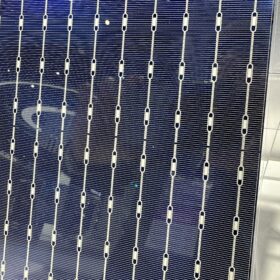
Features driving efficiency complicate solar cell disassembly, recycling
Researchers in Germany have sought to identify the features that may define the “ideal recyclable solar cell” and have found that the recyclability of PV devices is usually in contrast with the efforts of reaching high efficiencies.
European initiative launches digital product passport prototype for PV
A digital product passport could support circular practices in the European PV industry by better tracking material composition, recyclability, and supplier information, crucial for material recovery.
Modern slavery and other clean energy ESG risks
Despite debates in some parts of the world, we can expect environmental, social, and corporate governance (ESG) regulation to continue making headlines in 2025. Everoze Partner Ragna Schmidt-Haupt demystifies the key sustainability risks and opportunities for solar and battery energy storage system (BESS) projects.
UK solar industry must transition to circular economy, says NICER
The National Interdisciplinary Circular Economy Research (NICER) program says in a new report that the UK solar industry could generate 1.2 million tons of waste by 2050. It calls for circular economy measures to meet net-zero and solar deployment targets.
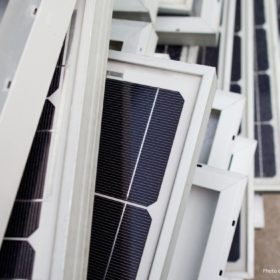
European study shows continent exports solar waste
Europe’s solar boom is hiding its waste through exports, according to a new study. Instead of recycling, as expected under European regulations, vast amounts of solar panel waste are exported, undermining sustainability goals. The researchers suggest a digitized value chain as a potential fix to work toward a circular economy.
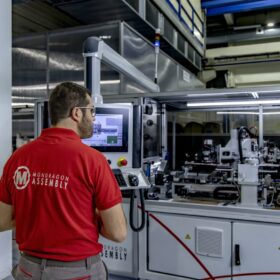
European consortium targets end-of-life PV panel silicon recycling
A European consortium of 11 commercial and non-profit organizations is developing several technologies to make use of end-of-life PV panels by either re-deploying them or by recovering and reprocessing the silicon.
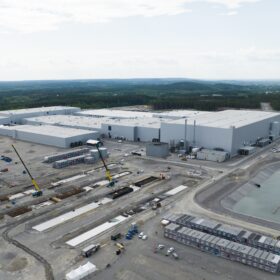
Northvolt secures $5 billion for Europe’s first circular gigafactory
Europe’s leading battery maker, Northvolt, has signed a $5 billion non-recourse project financing arrangement to enable the expansion of Northvolt Ett in northern Sweden. The deal represents the largest green loan raised in Europe to date.
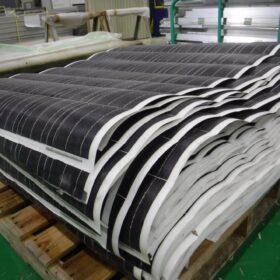
Advancing circular economy in photovoltaics: The Hot Knife PV module recycling method
Recycling is of significant importance in a circular economy, yet some challenges have to be faced when recycling PV modules. The novel Hot Knife method to separate the crystalline silicon photovoltaic module front glass from the backsheet contributes only a few permill to the life cycle related potential environmental impacts of PV electricity.
Netherlands raises fee for solar module recycling
Dutch importers that sell solar panels to clients in the Netherlands will have to pay a recycling charge of €40 ($42.50) per ton from July 1. They currently pay just €6.50 per ton.
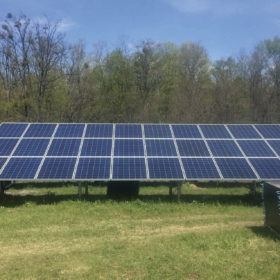
Weekend Read: Small change, big effect
Starting this year, ground-mounted solar modules in Germany can be replaced before the end of their service life, unlocking gigawatt-scale potential for new generation capacity without lengthy permitting processes or the need for new sites. Opinions differ as to what should happen with the decommissioned but still functioning modules, as pv magazine Deutschland’s Sandra Enkhardt reports.
