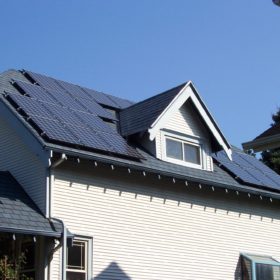
High energy prices mean big gains for smart-metered Belgian PV system owners
In the Belgian macro-region of Flanders, residential PV system owners that decided to install smart meters and abandon net metering are currently seeing their injection tariffs being paid at €0.11, up from just €0.03 in January. This gain adds to the high value of the kilowatt-hours they self-consume and it is helping them halve the payback time of their installations.

Rwanda seeks consultants to support development of mini-grids
The Development Bank of Rwanda wants to finance developers to build photovoltaic and mini-grids ranging in size from 10 kW to 1 MW.
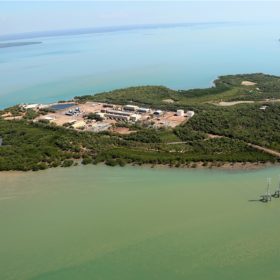
Hitachi wins tender for big battery in Australia, set to pay for itself within five years
Hitachi Energy has won Northern Territory Labor’s tender for the Darwin-Katherine ‘Big Battery’, which is expected to unlock more capacity for residential and industrial PV, generate cost savings of $9.8 million and pay for itself in approximately five years.

EDF builds 100 MW/100 MWh solar-plus-storage project to power world’s largest remote city
The French energy giant will build the facility near Iquitos, the largest metropolis in the Peruvian Amazon.
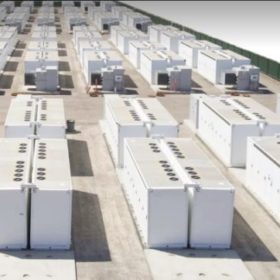
Greenspot plans 500 MW/1,000 MWh battery at former coal-fired power plant in Australia
New South Wales-based development company Greenspot has lodged a planning application for a massive 500 MW/1,000 MWh battery energy storage system to be built at the site of the shuttered coal-fired Wallerawang Power Station near Lithgow in the Central Tablelands.
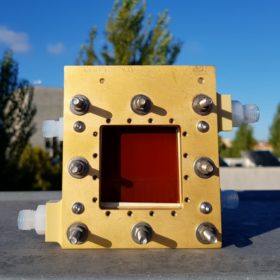
Solar redox flow cell for residential energy storage
The device was designed by scientists in Portugal to optimize light absorption by the semiconductor and ensure an effective diffusion of redox species while offering minimal electronic and ionic transport resistance. The cell has a 25cm2 photoactive area and relies on ferrocyanide/anthraquinone redox flow chemistry and a nanostructured hematite photoelectrode.
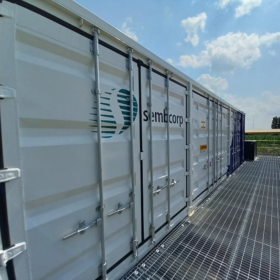
Sembcorp builds 360 MW battery in the UK
Once deployed, the battery will be Europe’s largest storage facility.
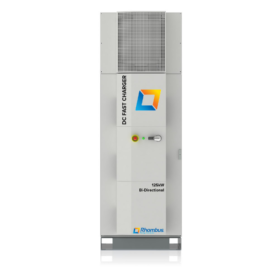
Ever heard of synchroinverters? Grid-stabilizing devices connecting renewables to distributed energy resources
A U.S.-Israeli consortium is developing synchroinverters – inverters that mimic a synchronous generator and are able to actively respond to the grid’s frequency changes while stabilizing the voltage. The new devices are expected to do this simultaneously and provide grid stability services in less than 16.67 milliseconds.
US solar sector shoring up resilience to cyberattacks
As solar and storage technologies are deployed on the U.S. grid in record numbers, there’s no time like the present to take steps to prevent solar and storage from cyberattacks.
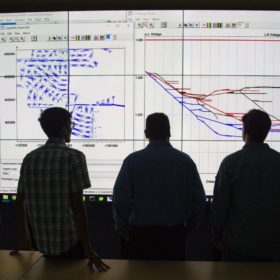
A cleaner grid arrives as renewables replace fossil fuels
In 2022, the United States is projected to massively increase its solar and wind generating capacity, extending a nearly two-decade march toward a cleaner grid.
