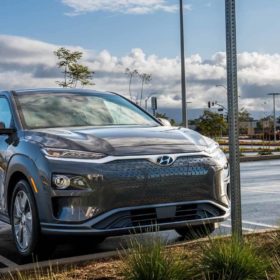
Hyundai and UL ally to give EV batteries a second life
The two agreed to advance safe deployment and use of second-life battery energy storage systems.
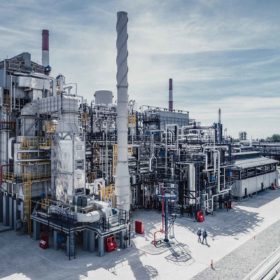
The Hydrogen Stream: Gazprom makes a move, Italian consortium develops solution for port areas, and more
Gazprom said it will participate in projects to develop technologies for the production, transportation, storage, and use of hydrogen, as well as the utilization of carbon dioxide. Furthermore, Italy’s Fincantieri and Enel are developing an integrated solution for the production, supply, management, and use of green hydrogen for port areas and long-range maritime transport.
Lithium-ion technology to lead the Indian storage market by 2030
A new report predicts lithium-ion technology to lead the Indian battery energy storage systems market by 2030 as prices for lithium iron phosphate (LFP) and lithium nickel-cobalt-manganese (NCM) battery technologies fall.
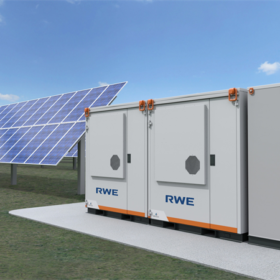
Data confirm the rise of solar-plus-storage hybrids across the U.S. grid
Battery prices are falling, and renewable energy generation continues to expand, leading power plant developers to co-locate energy storage along with power generation assets.
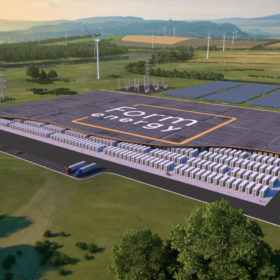
Multi-day iron-air batteries reach commercialization
US-based startup Form Energy has secured $200 million Series D funding for the development of what is being called a breakthrough in energy storage.

Zinc-iron redox flow battery with zero dendrite growth
Scientists in India fabricated a redox flow battery based on zinc and iron that showed strong storage characteristics and no signs of degradation over 30 charge-discharge cycles. The battery also showed no signs of dendrite formation, overcoming one of the key hurdles for redox-flow batteries based on these low-cost, abundant materials.
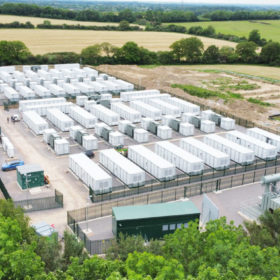
Sungrow switches on 100 MW/100 MWh storage system in the UK
One of the largest storage facilities in wider Europe has come online. In the future, it will provide network services and help prevent power outages in the U.K., such as the one that occurred in August 2019.

Italy notches 212 MW/333 MWh of distributed storage capacity, adding 22.5MW/37.9 MWh in Q1 2021
The country added around 22.5 MW/37.9 MWh of new, small-sized storage capacity in the first quarter of 2021.

As Maui approaches 100% renewables, NREL models grid options
Maui’s electric power grid is expected to operate with 100% solar and wind on an instantaneous basis as early as 2024, and NREL is helping the island plan to reliably supply electricity.
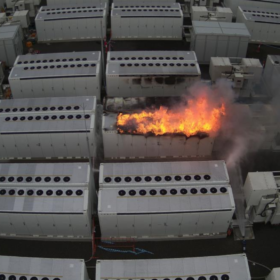
Fire at Australian big battery
Speculation will be rife as to the cause of the fire which destroyed one Tesla Megapack and damaged another in Moorabool on Friday. Investigators are waiting until the site is deemed safe to begin their forensic examination.
