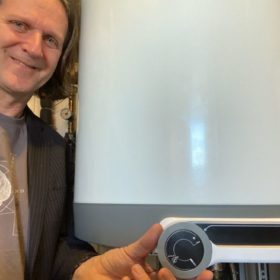
New solar-powered boiler from Germany
Timo Leukefeld GmbH has started offering a decentralized water-heating solution with capacities ranging from 125 liters to 200 liters.
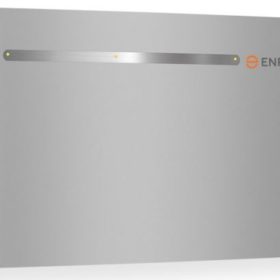
Enphase launches pilot discounts for PV customers for leasing batteries, sharing energy
Homeowners who participate in a new Enphase pilot project will connect their home batteries to the US grid, sharing energy through Green Mountain Power’s distribution system in exchange for financial incentives.
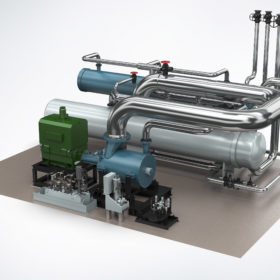
Large-scale, high-temperature heat pump for district heating
Vattenfall and Siemens Energy are building an 8MW heat pump for district heating applications in Berlin. The facility will be powered by wind and solar via the electrical grid and will provide heating and cooling to the local district heating network.
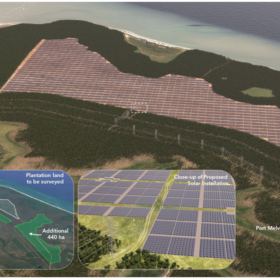
Giant green hydrogen project in Australia gains key approvals, expands solar potential by a third
Western Australian company Global Energy Ventures has had several permissions granted for its 2.8GW green hydrogen export project on the Tiwi Islands, off the coast of the Northern Territory, including potentially increasing the acreage for its proposed solar farm.
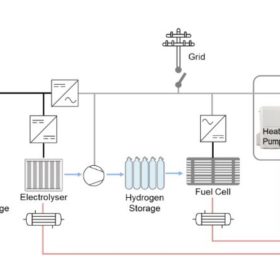
Designs for solar+storage+hydrogen systems in buildings
German scientists have tried to determine whether a PV system linked to a small electrolyzer, a fuel cell, and lithium-ion batteries could fully power a grid-connected household. Their new proposal consists of a 6.8kW PV array, a 5kW electrolyzer, a 1.24kW fuel cell system, and battery storage.
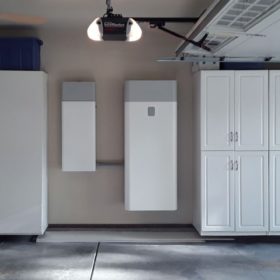
SunPower launches whole-home backup solution
The US manufacturer has expanded the battery capacity options for its SunVault Storage product, up to 26 kWh and 52 kWh configurations.
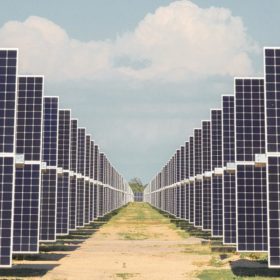
Endesa plans Europe’s largest hybrid wind-solar-storage plant
The hybrid facility is planned to be built in central Portugal. It will consist of a 365MW PV unit, a 264MW wind farm, and 168MW of battery storage. It will also be connected to a 500kW electrolyzer that will be fed with surplus power that cannot be stored by the batteries.
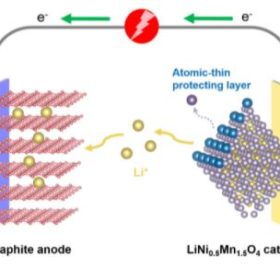
Australian researchers promise lifespan boost for lithium-ion batteries
Researchers from The University of Queensland have developed a new nanotechnology that purportedly more than doubles the lifespan of high-voltage lithium-ion batteries, paving the way for higher density and lower-cost energy storage solutions.

Cathode formation issue could drive improvements in battery resiliency
Researchers at the Argonne National Laboratory have discovered a degenerative effect in the creation of cathode materials for sodium-ion batteries that could have significant impacts on the performance of sodium-ion batteries.
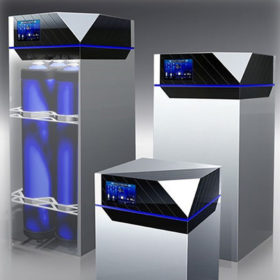
Toyota develops new module to store, transport hydrogen
Japanese automaker Toyota has used its hydrogen tank tech in a new module to expand hydrogen storage to railways, shipping facilities, cargo ports, and fuel cell generators. Its 70MPa tank has a storage capacity of 2.7 kg to 18.7 kg and a tank mass ranging from 43.0 kg to 243.8 kg, depending on the size.
