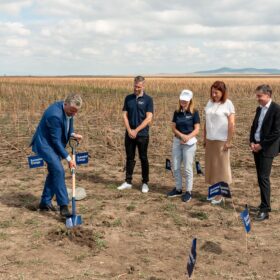
Construction begins on massive, merchant wind-solar hybrid plant in Bulgaria
Tenevo Solar plant is expected have a solar capacity of 238 MW, a wind capacity of 237 MW and a storage capacity of 250 MW-500 MWh, with construction starting this month. Konstantin Nenov, director of Renalfa AD – one of the businesses behind the project – tells pv magazine the plant is emblematic of the Balkan country shifting away from coal and towards the sun.
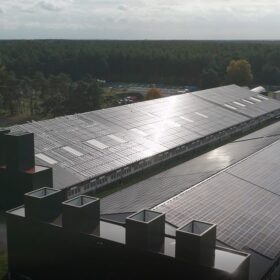
Germany’s new solar installations hit 1.05 GW in August
Germany’s new solar installations surged to 1.05 GW in August, contributing to 8.99 GW of newly installed PV capacity for the first eight months of this year. This marks significant growth from the 4.8 GW installed during the same period in 2022.
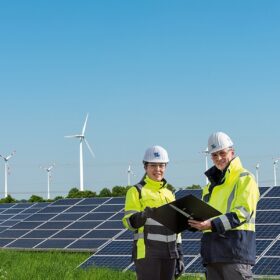
Uniper to build Germany’s largest PV plant
Uniper plans to power a green hydrogen production facility in the German state of Lower Saxony with 317 MW of solar.

German cabinet approves measure to expedite solar deployment
The German Federal Ministry for Economic Affairs has approved measures to streamline solar deployment, with a target of 215 GW of installed capacity by 2030.
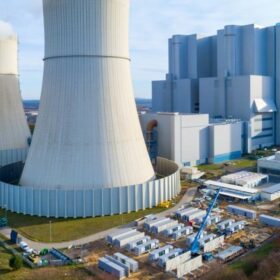
LEAG plans 950 MW power-to-gas plant at lignite mine
LEAG, Germany’s second largest energy supplier, is planning a power-to-X project to produce hydrogen, store waste heat, generate electricity, and supply buses with hydrogen. The plant will also have a thermal solid-state storage facility with a capacity of 1,000 MWh.
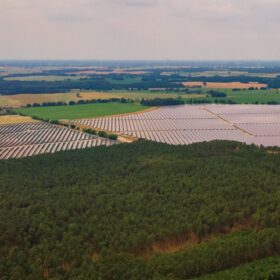
CEE Group, Goldbeck switches on 155 MW solar plant in Germany
Goldbeck and CEE Group say that their new 155 MW solar plant is now selling electricity to Engie under a 10-year power purchase agreement. The project is located on a former agricultural site.
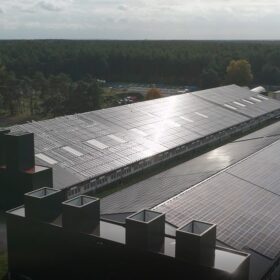
Germany wraps up rooftop PV tender with average price of €0.1018/kWh
The German authorities reviewed 342 MW of bids and selected 191 MW of projects in the nation’s sixth tender. The final prices ranged between €0.0880 ($0.0959)/kWh and €0.1080/kWh. The final average price was €0.1018/kWh.
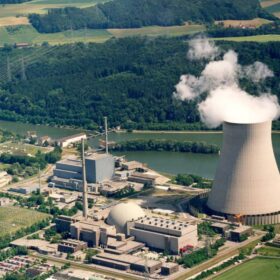
Germany’s power mix boasts more renewables, lower spot market prices – despite nuclear exit
Germany’s shutdown of nuclear power plants in April did not result in a ramp-up of lignite-fired power plants, despite concerns. Instead, there has been a significant increase in the share of renewables in the electricity mix, and the proportion of coal-generated electricity has fallen by more than 20%.
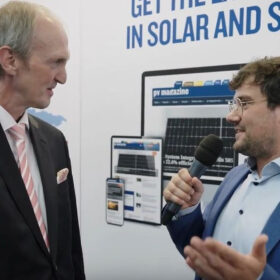
Solar Leaders at Intersolar 2023: Germany is ‘the fastest growing market’
Jörg Ebel, the president of German solar association BSW, spoke with pv magazine at Intersolar 2023 about the ongoing German solar renaissance, as the market has steadily recovered since its collapse in 2012. He sees growth across all segments, with untapped “opportunities” in the C&I market. However, he noted that Brussels needs to build trust, set a unified EU industry policy to support factory investments, and create the conditions for Germany to revitalize its upstream PV business.
Germany seeking proposals for 10 GW of solar factories
Solar manufacturers have until Aug. 15 to submit PV factory proposals to the German authorities.
