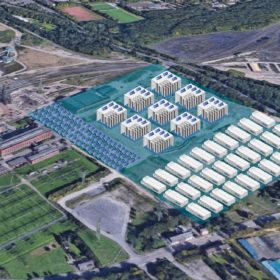
German steel giant wants to set up 500 MW green hydrogen plant
German energy company Steag is helping Thyssenkrupp decarbonize its steel production site in Duisburg-Walsum. Green hydrogen generation is expected to be powered by a mix of wind and solar power.
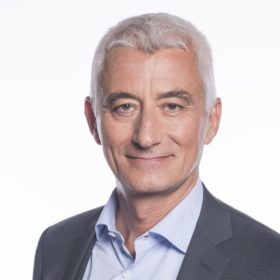
‘There is no magic to get to €1.5/kg for green hydrogen in 2022’
Solar pioneer Thierry Lepercq spoke with pv magazine about recent plans of the HyDeal consortium to deploy 95 GW of solar and 67 GW of hydrogen capacity in southern Europe by 2030. Record low green hydrogen prices are easily achievable as solar PV has already reached the required cost level and effects of scale in procurement and manufacturing of electrolyzer capacities will help reduce production costs, he says. Lepercq is also convinced that the consortium will begin selling solar-powered hydrogen at €1.5/kg when the initial supply to industrial customers begins in September 2022.

Work begins on underground hydrogen storage project in Germany
German energy provider EWE wants to set up a test cavern with a capacity of 500 cubic meters at a depth of 1,000 meters. It is scheduled to go into operation in spring 2022.

Australia’s first hydrogen fuel cell factory
Sydney-based domestic hydrogen electrolyzer and storage system manufacturer Lavo has revealed it has signed a memorandum of understanding (MoU) to establish Australia’s first hydrogen fuel cell production line in Springfield City, Queensland.
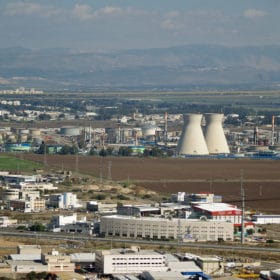
Global hydrogen project pipeline expected to exceed $300 billion by 2030
A new report from the Hydrogen Council has estimated that the current hydrogen project pipeline, if realized, would exceed investments of $300 billion by 2030. The report comes amid an acceleration in hydrogen project announcements worldwide and great expectation of hydrogen’s potential in the energy transition.
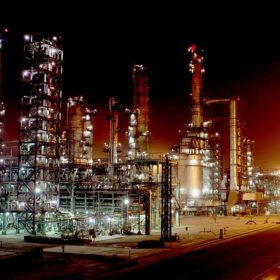
India’s largest industrial carbon capture and utilization project
Indian Oil aims to capture carbon dioxide from hydrogen generation units at its Koyali refinery in the Indian state of Gujarat for enhanced oil recovery at the nearby Gandhar oilfield.
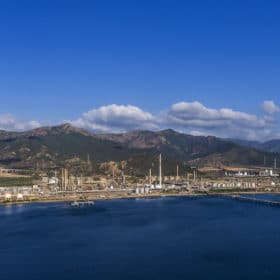
Green hydrogen production via 20 MW electrolyzer at Italian oil refinery
A refinery of Italian oil product provider Saras will host a large scale electrolyzer that will produce hydrogen to be used as a raw material in the refinery itself. The green energy production will be set up by Italian energy company Enel.
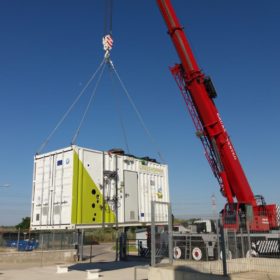
Abengoa completes construction on pilot green hydrogen plant
Abengoa Innovación has completed the construction of the pilot plant for the Grasshopper project, which is in the commissioning and start-up phase in Seville. The plant will be then transferred to its final location – the Netherlands.
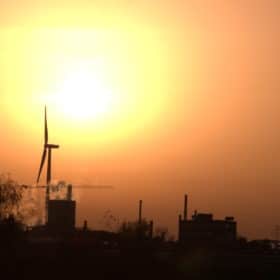
Novel algorithm for integrating solar, wind, hydrogen
A new, nature-inspired algorithm has been applied by scientists in Egypt and Saudi Arabia to optimize the production of green hydrogen via solar and wind power generation. The proposed energy system consists of PV and wind power generation, a water electrolyzer, a tank of hydrogen gas, a fuel cell, and an inverter that brings the generated electricity to final consumers.
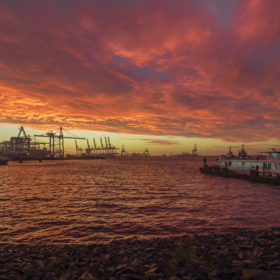
More green hydrogen for Port of Rotterdam
The Port of Rotterdam is set to host a 100 MW electrolyzer from 2025, with a feasibility study expected this summer. The project will produce green hydrogen and will eventually be expanded to 500 MW.
