Paving the way for green hydrogen certification
The International Renewable Energy Agency has outlined a series of technical considerations for green hydrogen tracking systems. According to the document, a degree of flexibility should be taken into account in the short term to ensure that the nascent green hydrogen market can develop.
UK considers reform of renewables subsidy regimes
A conference about the UK’s electricity market showed organizations are considering the future of the country’s energy sector and how to achieve a net zero economy.
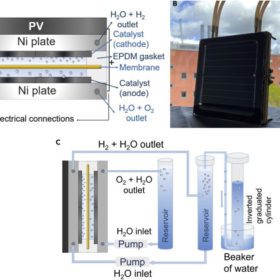
Thermally integrated PV-electrolyzer with 9.1% solar-to-hydrogen efficiency
A Swedish research group has developed a device combining CIGS thin-film solar modules and an alkaline electrolyzer based on a trimetallic cathodic catalyst made of nickel, molybdenum, and vanadium (NiMoV) and an anode made of nickel oxide (NiO). The electrolyzer achieved an average solar-to-hydrogen (STH) efficiency of 8.5% for stable operations during 100 hours.
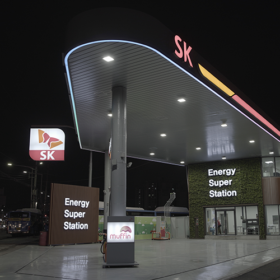
PV-powered filling/recharging station for all kind of vehicles, including EVs and fuel cell cars
Built by Korean oil provider SK Energy and the Seoul Metropolitan Government, the “Energy Super Station” is equipped with 20kW of solar panels and 300kW of fuel cell stacks. It can refuel conventional combustion vehicles as well as electric vehicles and fuel cell cars.
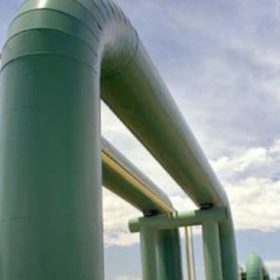
The Hydrogen Stream: World’s largest electrolyzer fab breaks ground in Australia
Fortescue Future Industries says the first electrolyzers to be manufactured at the facility, early next year, are earmarked for use in Queensland at FFI’s planned green-hydrogen-to-ammonia project on Gibson Island.
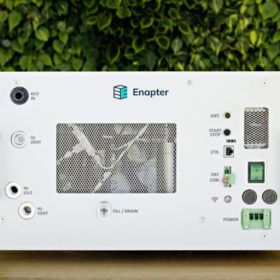
Plug & play electrolyzer for green hydrogen production from Germany
Developed by Germany-based hydrogen specialist Enapter, the EL 4.0 electrolyzer is based on a patented anion exchange membrane (AEM) technology. Commercial production is currently being prepared at the company’s Italian plant and the first shipments should be made in the summer.

Hydrogen-powered boat to sail in Australian waters within 18 months
Australia’s Poseidon Marine H2 says it expects to have a hydrogen-powered boat in Australian waters within the next 18 months, after bringing on board the principal engineers from Dynamic Efficiency.
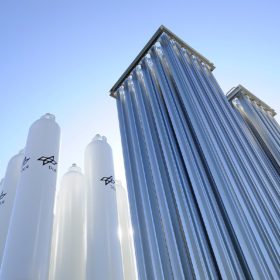
Green hydrogen, blue hydrogen to reach cost parity in Europe by 2030
The direct coupling of electrolyzers with PV and wind power systems will become the cheapest forms of energy in many parts of Europe, according to Aurora Energy Research.
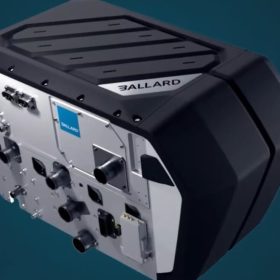
Adani Group to explore hydrogen fuel cell manufacture in India
Adani and Canadian PEM fuel cell producer Ballard Power Systems will examine various co-operation opportunities including fuel cell production.
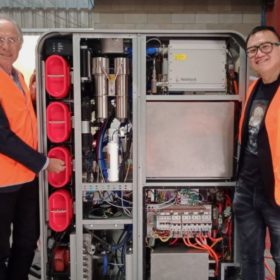
Australian hydrogen battery technology to be tested in UK
Australian technology company Lavo’s innovative energy storage system – based on storing green hydrogen in a patented metal hydride – has attracted the attention of the UK government which has provided financial backing to allow for a demonstration facility to be installed in England’s northwest.
