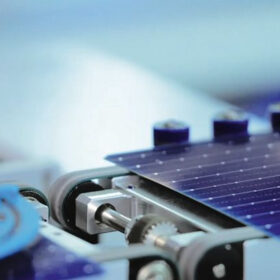
Weekend Read: Getting to the bottom of TOPCon degradation
Should the industry be alarmed at the potential degradation susceptibility of tunnel oxide passivated contact (TOPCon) solar cells? Or are the problems easily addressed and more a reflection of rushed-to-market products? pv magazine contributor and consultant Götz Fischbeck reports.
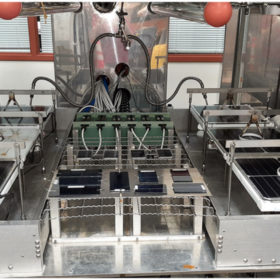
Putting bifacial modules to the test
US scientists recently put different bifacial solar cells and modules through a series of tests at elevated temperature, humidity, voltage and mechanical stress levels. The tests revealed a range of light-induced and potential-induced degradation mechanisms that modules will likely suffer in the field.
On the trail of a cause for solar cell LID
Scientists in the United States used sophisticated imaging to delve deep into the structure of a silicon solar cell, revealing for the first time a distinct defect signature for light-induced degradation. Their technique could be used to better understand the mechanisms behind multiple various defects affecting the performance of silicon and other solar cell technologies.
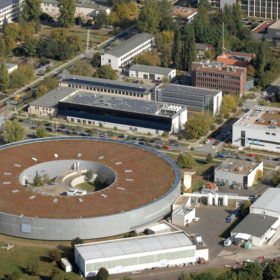
Shedding light on amorphous silicon
Scientists in Europe took a very close look at the thin amorphous silicon layers used in heterojunction and tandem solar cells, building a full picture of the material’s structure at the nanoscale. Their findings could help scientists solve the long-standing mystery of light induced degradation.

Heating up the heterojunction-LID discussion
Scientists led by the University of New South Wales have looked into the long-term degradation of silicon-heterojunction. Their findings suggest that illumination at high temperatures could actually improve cell efficiency, but also risks activating multiple light-induced degradation mechanisms if not carefully controlled.
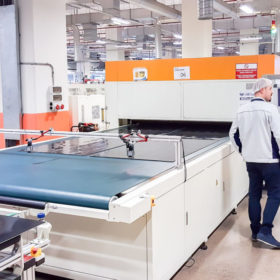
Solar module quality control measures in an age of Covid-19
Asier Ukar, director of the Spanish unit of German technical advisory PI Berlin, tells pv magazine about his experiences of conducting quality control inspections in Chinese factories during the global pandemic.
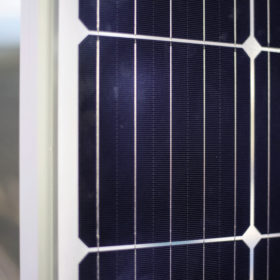
Preventing LID in a 23.83% efficient Longi PERC cell
Australian researchers have unveiled hydrogenation technology to reduce light and elevated temperature-induced degradation in Czochralski silicon PERC solar cells. The developers say the process can minimize degradation without sacrificing performance in cells and modules.
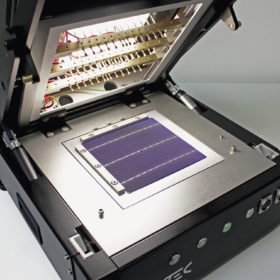
JA Solar granted intellectual property rights for Ga-doping technology
The Chinese company has announced it has acquired intellectual property rights pertaining to various applications of gallium-doped silicon wafers in solar cell applications from Japanese company Shin-Etsu Chemical.

Trina Solar begins mass production of 425 W bifacial glass-glass module
The Chinese PV manufacturer uses TOPCon half cells for the modules. The additional rear side yield is estimated by Trina at 5-30%.
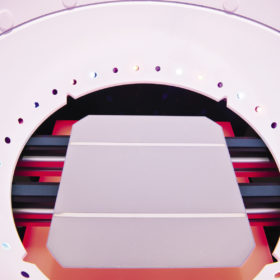
The weekend read: Quality on the line
With competition on the module market as cutthroat as ever, manufacturers are increasingly looking to emphasize the quality and reliability of their products and services as a differentiator. pv magazine investigates what’s behind some of these claims, and the move from manufacturers to more sophisticated quality assurance methods.
