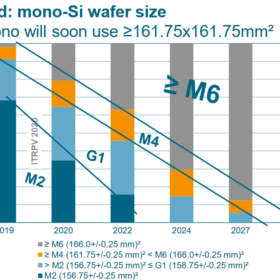
Update of the ITRPV roadmap shows three wafer formats will prevail
In an update to its International Technology Roadmap for Photovoltaics, the German engineering association the VDMA said that solar module sizes of up to 4.0m² may be brought to mass production in the future.
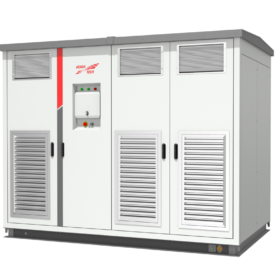
New central inverter from Kehua
The 4.167 MW inverter has a reported efficiency of 99.02% and a European efficiency of 98.7%. The Chinese manufacturer claims the inverter’s DC parallel connection ensures the continuous operation of devices and increases the overall utilization rate by 1%.
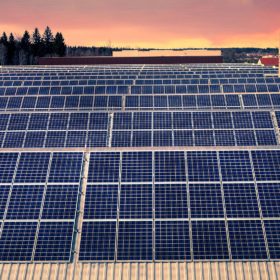
Luxembourg launches 40 MW solar tender
The exercise will be open to PV projects ranging in size from 200 kW to 5 MW.
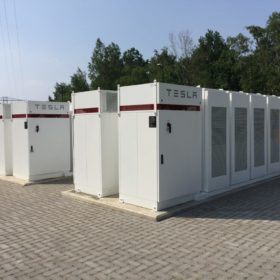
Tesla’s Musk: ‘Energy business will ultimately be as large as our vehicle business’
Tesla’s solar and battery businesses show signs of life in another profitable quarter for the EV manufacturer.

Australian scientists shed light on perovskite problem
Australian researchers have made a significant discovery in the fight against light-induced phase segregation in next-generation PV cells.

CEO Interview – SPI 2020, USA. Interview with William Sheng, President of Talesun Solar
As one of the world’s top ten PV module manufacturers and an experienced EPC supplier of solar PV power stations, Talesun Solar expanded its business globally based on steady capacity growth and targeted marketing actions. Before the largest solar PV exhibition and conference of the North America, the Solar Power & Energy Storage International (SPI) 2020, PV Magazine has the opportunity to interview with Mr. William Sheng, the president of Talesun Solar, and listen to his view of the PV market, module products with different techniques, and other hot topics.

Fire accident at Argentinian solar park’s central inverters
The municipal firefighters of Ullum have been working for about an hour-and-a-half to extinguish a fire in the inverters of the Ullum photovoltaic park, owned by Argentinian energy company Genneia.
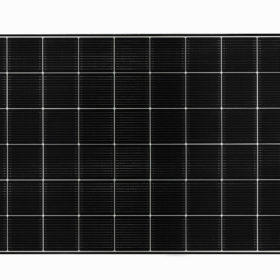
LG unveils AC module with own microinverter
The South Korean manufacturer has launched a new 60-cell panel with a power output of up to 365 W. The 21.1%-efficient module features a 320 W microinverter with an efficiency of 97%.
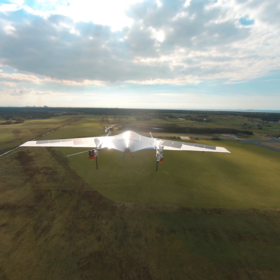
PV-powered drone for emergency services
Netherlands-based technology companies Avy and Wattlab have conducted the first test flight of a drone prototype that is planned to be used in medical projects in Africa.

Solar-powered ice making plants for the Maldives
The government of the archipelago is seeking proposals to build solar-powered ice-making plants on four islands. A pilot, 40 kW project powering an industrial ice machine was successfully implemented in 2016.
