
Bangladesh launches 500 MW PV tender
The Bangladeshi authorities are seeking proposals to build 10 PV plants with each a capacity of 50 MW across several regions.
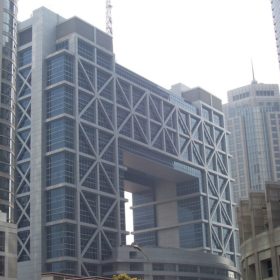
Chinese PV Industry Brief: JinkoSolar, TBEA report lower profits
Five major Chinese PV manufacturers issued profit warnings this week.

Carbon dioxide removal portfolios enable reaching ambitious climate targets
In a new monthly column for pv magazine, the LUT University describes how carbon dioxide removal may support reaching climate targets from a portfolio perspective.
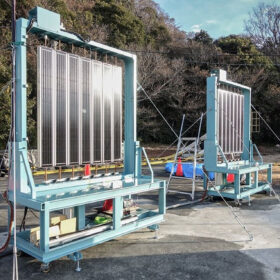
Novel BIPV concept integrates louvers to enhance power production
Scientists have proposed a building-integrated PV system that integrates airflow to cool the panels and control room temperature. The system, which also acts as a shading device, can reportedly mitigate drops in power generation efficiency without additional energy consumption.
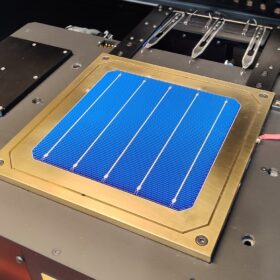
Reducing silver use in heterojunction solar cells via low-cost copper wires
A research team in Germany has proposed to use direct wire bonding to reduce silver consumption in heterojunction solar cells. The scientists used low-cost copper wires as electrodes with conductive paste applied in discrete pads to replace the traditional metallization and interconnection process.
US state attorneys general urge Congress to keep IRA clean energy credits
Seventeen US state attorneys general have urged Congress to retain clean energy tax credits, citing the Inflation Reduction Act’s (IRA) “catalytic” effect on economic growth, especially in Republican districts.
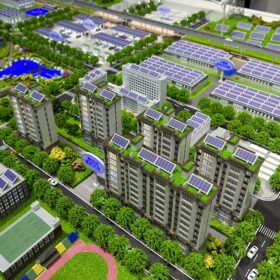
The best residential PV system configuration for Saudi Arabia
Researchers in Saudi Arabia have identified the best and optimum PV system configurations for the Saudi residential market. Their analysis investigated the capacity threshold that leads to a lower cost of electricity compared to grid electricity costs. They used NREL’s HOMER software to analyze the energy requirements of the residential units, the solar energy potential and weather characteristics of the selected location, and the financial parameters influencing a project’s profitability.

Malaysia opens bidding for 2 GW of large-scale solar
Malaysia’s Energy Commission has launched an open tender seeking 2 GW of large-scale solar projects, with capacities ranging from 10 MW to 500 MW, to support the nation’s clean energy transition.

South Africa adds 1.1 GW of solar in 2024
The South African Photovoltaic Industry Association predicts that deployment will accelerate as a strong pipeline of private and public utility-scale projects offsets the decline in installations from 2023 levels.
Brazil approves six labs for solar module testing
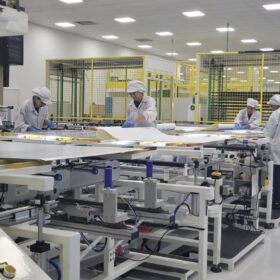
Brazil’s national accreditation body, Inmetro, has authorized six labs across the country to test solar modules.
