
ReNew Power commissions 17.6 MW wind-solar hybrid project in India
Indian developer ReNew Power has commissioned a 17.6 MW captive wind-solar project to supply clean energy to Grasim Industries Limited’s Chlor-Alkali unit in the Indian state of Gujarat. The second phase will involve an additional installation of 16.68 MW.
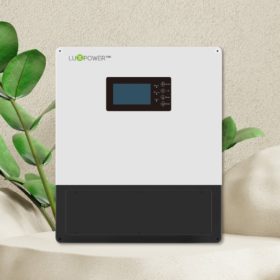
LuxpowerTek launches 8-12kW hybrid inverter
The Chinese inverter manufacturer said the new device can be used for residential and commercial projects as well as to replace diesel power generators or as back-up power. The device features an efficiency of 97.5% and a European efficiency of 98%.
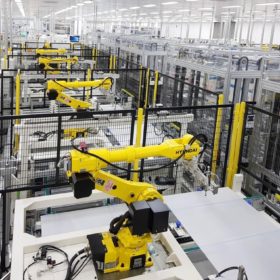
Hyundai enters heterojunction PV module business
Hyundai wants to use a partnership with South Korean PV equipment supplier Jusung Engineering to commercialize solar modules based on 24.45%-efficient heterojunction solar cells.
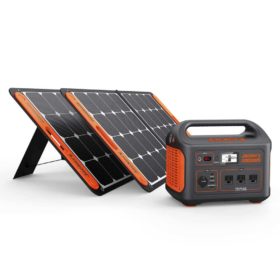
Offgrid solar generators for RVs, camping
Jackery displayed its latest portable solar generators at the recent Quartzsite RV Show, which is the world’s largest event for recreational vehicle enthusiasts.
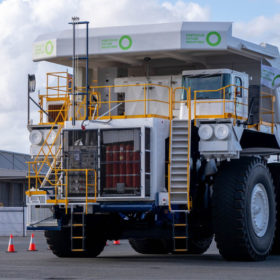
The Hydrogen Stream: Fortescue develops tech based on photocatalytic water splitting coupled with solar
Australia’s Fortescue Future Industries wants to develop a green hydrogen technology based on photocatalytic water splitting coupled with solar radiation. Elsewhere, Linde has signed a long-term agreement with German chemical company BASF for the supply of hydrogen and steam in France and Nel has received a contract for a containerized PEM electrolyzer and light-duty hydrogen fueling station package from an unnamed U.S. power utility.
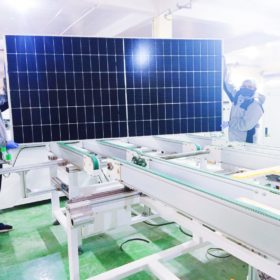
Indian manufacturer Saatvik Solar doubles module capacity to 1GW with new fab
The Indian solar company’s new facility in Haryana is equipped to make mono PERC, half-cut, multi-busbar technology, to produce high-efficiency PV modules with 530-610Wp of power output.
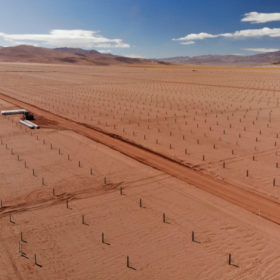
Argentinian energy company Jemse tenders 48 MW of solar
Through the procurement exercise, the state-owned power provider wants to build eight solar plants across Argentina’s northern province of Jujuy.

Fimer files for creditor protection
The Italian inverter maker claims to have been impacted by the post-pandemic supply constraints. The proceedings are being managed in full business continuity without any interruption of operational activity, said the legal firm hired by Fimer to implement a debt restructuring process.
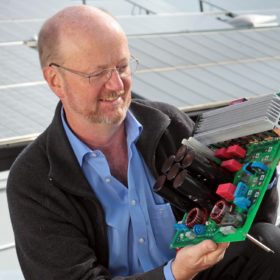
Fraunhofer ISE reaches legal settlements with seven inverter manufacturers who infringed its patent
In 2002, the Fraunhofer ISE patented the HERIC circuit for highly efficient inverters. Since then, the institute says, it has recorded out-of-court settlements in seven patent infringement lawsuits against companies from China, Taiwan and Germany.
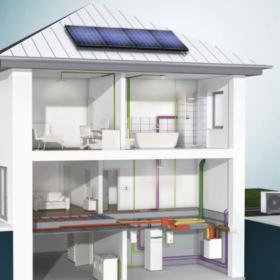
Short payback periods for PV-powered heat pumps in Spain
Spain’s National Confederation of Installers has released a technical paper about the advantages of coupling rooftop PV with heat pumps. It says that the payback time for a solar-powered heat pump can range between two and five years.
