
The Good, the Bad and the Ugly: defects in perovskite solar cells
Scientists in the UK delved deep into the structure of a perovskite solar cell, looking to understand the complex relationship between the materials that make up the perovskite layer, and the role of different defects in both limiting and improving performance. The findings could allow for new perovskite materials that are specially structured to maximize PV performance.
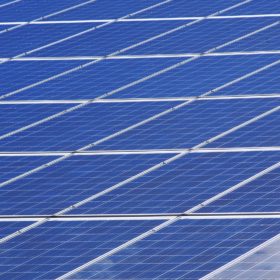
Central Electronics Limited tenders 95 MW of solar sites in Indian state of Maharashtra
The successful contractor will install the arrays in blocks of 2-10 MW and will carry out all stages of installation, from site surveys through to 12 years’ operation and maintenance.

Color-tunable transparent silicon solar cell with 7.38% efficiency
Designed for BIPV applications by scientists in Korea, the solar cell is based on a 100μm-thick n-type silicon wafer and has a bending radius of 3-6mm.

Phase-change material tech to store thermal energy, solar electricity in buildings
NREL scientists have unveiled a storage system based on a phase-change material that can store both thermal energy and electricity in a single device. According to the researchers, the new technology may be used to store excess electricity produced by on-site solar or wind operations in large scale buildings.
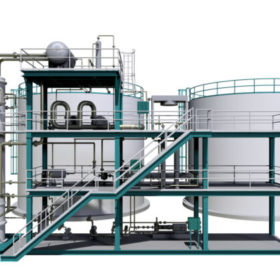
The Hydrogen Stream: New tech to store 5 tons of hydrogen per day
Proton Motor Fuel Cell and xelectrix Power have also developed a complete system that combines fuel cell and battery storage technologies and U.S.-based Plug Power is building a 100 MW electrolyzer in Egypt. Furthermore, Germany said it wants to deploy 10 GW of hydrogen capacity by 2030 and South Korea unveiled its hydrogen strategy.
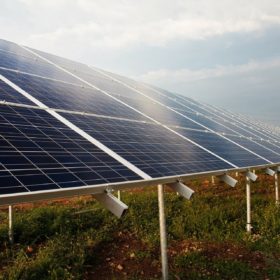
France deployed more than 2 GW of PV in first nine months of 2021
The country’s cumulative PV capacity reached 13.3 GW at the end of September. This year’s growth was triggered by a strong increase in utility-scale solar projects.
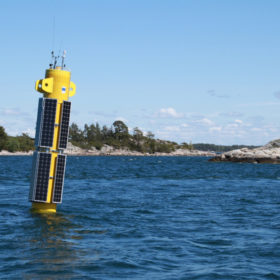
PV-powered buoys for maritime fairways
Finland-based fairway maintenance service provider Arctia Group is developing solar-powered navigational markers through an EU-funded research project. A 10-meter high solar buoy is currently being tested by the Ports of Stockholm.
Chinese PV Industry Brief: Solar module prices drop for the first time in the past six months
Furthermore, polysilicon manufacturer Daqo will increase investments in its plans to expand capacity and Canadian Solar closed a strategic co-operation agreement with battery giant CATL.
Poland may reach 30 GW of solar by 2030
The Eastern European country is expected to reach 10 GW of solar capacity by the end of 2022, according to the Polish research institute Instytut Energetyki Odnawialnej. This projected growth should materialize despite a strong contraction in the distributed generation segment.
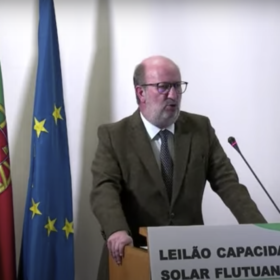
Portugal launches auction for 263 MW of floating PV
Through the procurement exercise, the Portuguese authorities want to select floating PV projects between 8 to 10 MW in size. Six water reservoirs have already been identified for their deployment.
