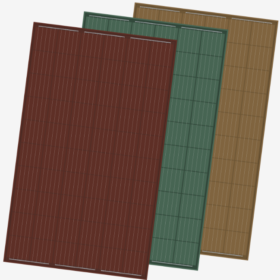
Colored BIPV panel with 350 W output from Italy
Italian manufacturer Solarday has launched a glass-glass building-integrated monocrystalline PERC panel available in red, green, gold and grey color. Its power conversion efficiency is 17.98% and its temperature coefficient is -0.39% per degree Celsius.
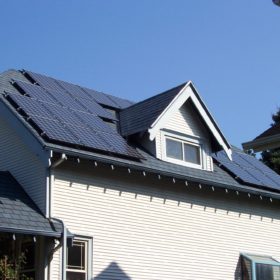
High energy prices mean big gains for smart-metered Belgian PV system owners
In the Belgian macro-region of Flanders, residential PV system owners that decided to install smart meters and abandon net metering are currently seeing their injection tariffs being paid at €0.11, up from just €0.03 in January. This gain adds to the high value of the kilowatt-hours they self-consume and it is helping them halve the payback time of their installations.
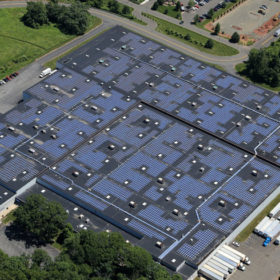
California to require solar power and batteries in commercial structures
The state has updated its Build Energy Efficiency Standards to include requirements for solar plus storage on all commercial and multifamily homes, while also requiring that all new residential construction – which already requires solar – to be energy storage ready.
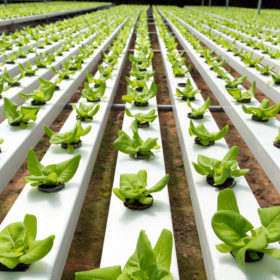
Solar for hydroponics
An international research team has examined combining solar power generation with energy-intensive hydroponic horticulture and has found that this may be a viable solution depending on project size and available incentive policies. Their approach considered various factors impacting PV system efficiency, including environmental factors, the type of solar array, and the electricity demand from the hydroponic farm.
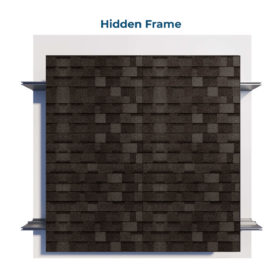
Canadian BIPV maker releases 350 W shingle-mimicking modules
The panels match the look of composite shingles and come in four different shades.
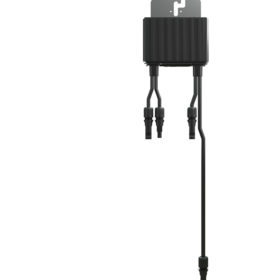
SolarEdge launches new power optimizers for residential PV
The optimizers are available in two versions that can be used with modules of up to 440 W and 500W. The devices have an efficiency of 99.5% and come with a 25-year guarantee.

Solar takes 25% with one hand, gives 31% with the other
WoodMac Renewables & Power lowered their 2022 US solar capacity projection by 7.4 GW, to 22.2 GW, on supply chain pricing challenges. However, they project the Build Back Better bill could add 44 GW of capacity through 2026.
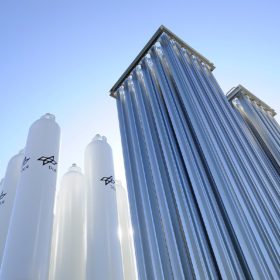
PV-powered hydrogen could already hit LCOH of €6.23/kg in Germany
Green hydrogen can now compete with hydrogen produced with fossil fuels in Germany, according to new research. Scientists have looked at six different scenarios for alkaline and PEM electrolyzers and identified alkaline devices powered by grid-connected PV as the cheapest option.
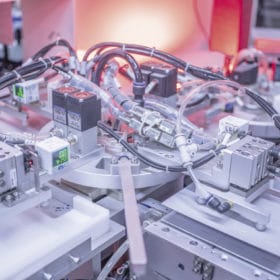
German PV equipment providers keep recovering, but uncertainties remain
German engineering association the VDMA has reported increasing orders and sales for PV equipment suppliers in the third quarter. China accounted for around 80% of PV production equipment demand during the period.

US residential PV trends in 2021
This year, residential solar reached several milestones in the United States, as extreme weather events have driven customer interest in home energy storage systems.
