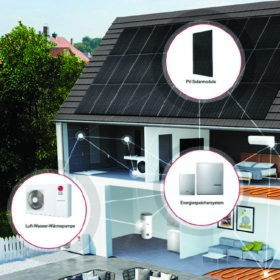
LG Electronics offers hybrid system combining heat pump, PV and storage
The system generates electricity and heat for residential houses and small businesses. An integrated energy management system should guarantee maximum self-consumption of the solar power produced.

France allocates 191.3 MW in commercial and industrial PV tender
The final average price for power generated by solar systems with capacities ranging from 100 kW to 500 kW came in at €91.2/MWh. The price for installations ranging in size from 500 kW to 8 MW was €79.8/MWh.
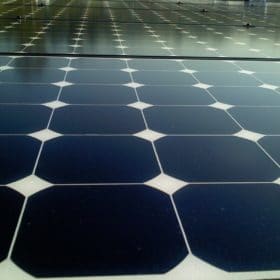
Stochastic fractal search algorithm to measure parameters of PV modules
An international research team has used, for the first time, a powerful metaheuristic and a nature-inspired algorithm to improve the estimation of the parameters of PV cells and modules. The algorithm imitates the natural phenomenon of growth and uses the diffusion process, based on random fractals.

Malaysia to allocate another 500 MW of rooftop PV under net metering
The NEM 3.0 program will run until the end of 2023 and will see the participation of residential, commercial and industrial prosumers as well as public entities and government ministries.

France publishes first-quarter FITs for PV systems up to 100 kW
The feed-in tariff granted reduces each quarter, in line with how much solar capacity was installed in the previous three-month period.
Flexible heat pumps ideal for power grids congested by solar and wind
Dutch transmission system operator Tennet, which also serves Germany, is planning to create flexible electricity demand and reduce grid congestion by promoting the use of smarter heating systems and heat pumps that can also be powered by solar and wind energy. According to its experts, intelligent control of heat pumps may result in the creation of between 0.5 and 1 GW of temporary grid flexibility by 2030.
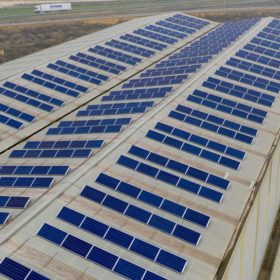
Solar for self-consumption keeps growing in Spain
Around 569 MW of new PV systems were installed last year under the country’s rules for self-consumption. Around 56% of this capacity was deployed in the industrial segment, while commercial installations had a 23% share.
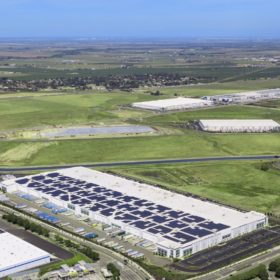
EDF acquires US solar installer
EDF Renewables North America said that its latest investment capitalizes on the growth of the commercial and industrial solar market.
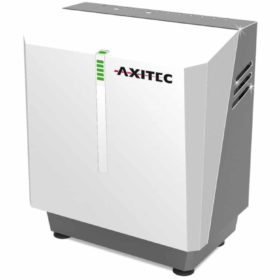
Axitec launches modular residential battery
The battery has a storage capacity ranging from 10 to 15 kWh and is already commercially available in Germany and Europe.

Ireland outlines net metering scheme for solar and renewables
The scheme is now under public consultation and is aimed at enabling citizens, farmers, business owners, and community organizations to sell excess solar power to the grid.
