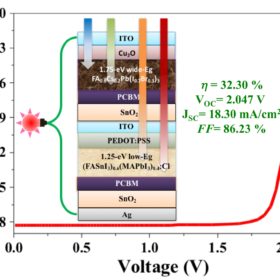
All-perovskite two-terminal tandem solar cell tech with 32.3% efficiency
Indian scientists have designed a new all-perovskite tandem solar cell configuration that can reportedly achieve higher efficiencies than similar devices built with the same materials. The top perovskite cell has a wide bandgap of 1.75 eV and the bottom perovskite cell has a bandgap of 1.25 eV.
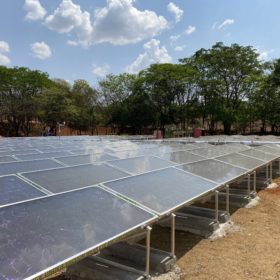
Swiss startup builds ground-mounted solar thermal power plant in Netherlands
Switzerland-based TVP Solar is applying the typical business model of utility-scale PV plants to its new project in the Netherlands. The project will inject heat into the Dutch heating network at temperatures ranging from 69 C to 93 C and under a 30-year heat purchase agreement.
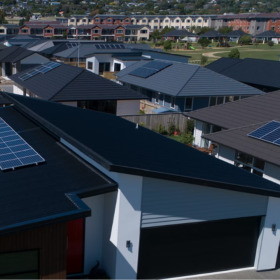
Virtual power plant to trade grid-stability services in New Zealand
New Zealand’s solarZero says it aims to provide fast, sustained reserves with its virtual power plant (VPP) of 10,000 household battery systems. Meridian Energy, meanwhile, has secured approval for a 100 MW battery energy storage system – the country’s largest such system to date.
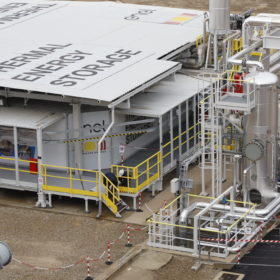
World’s first utility-scale, rock-based storage facility goes online in Italy
Enel is testing a 24 MWh thermal energy storage system that could be used for seasonal renewables storage. The facility uses rocks that store excess energy as heat, then releases that heat to generate steam for electricity.
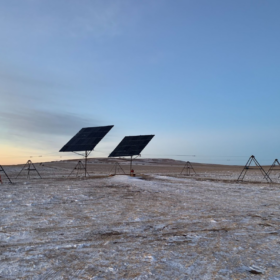
Agrivoltaic solar tracker uses cables instead of buried steel
Rute Foundation Systems says its Rute Suntracker system – designed for utility-scale, high-clearance solar – could potentially reduce steel use by 30%.

Rooftop PV performance during heatwaves
Chinese researchers have assessed the impact of residential rooftop PV arrays on energy use and surrounding air temperatures during extreme heatwaves. They found that panels with higher conversion efficiencies achieved the best results.
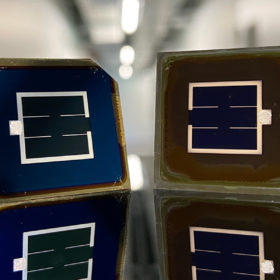
Flashing solutions for perovskite tandem cells, modules
A new white paper by testing equipment specialist Wavelabs outlines key challenges that the solar industry will face when it comes to testing and characterizing perovskite-silicon tandem cells in manufacturing environments.
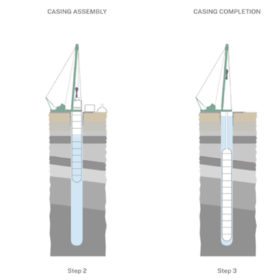
Hydrogen storage in vertical caverns
Australia’s Energy Estate has signed a new agreement with Abergeldie, which designs vertical man-made caverns for hydrogen storage. The partnership will focus on a range of projects, including a 1.6 GW hydrogen network.
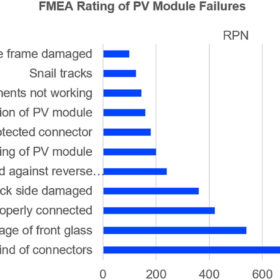
Quantitative methodologies to assess technical risks in PV
Researchers led by Germany’s TÜV Rheinland have created a database of technical risks and mitigation measures for PV installations. Their broad overview of quantification methods has shown that further standardization is required.
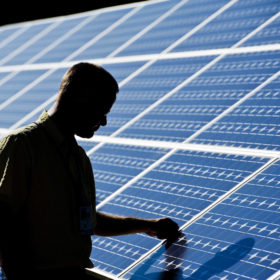
Most new solar panels retain 80% production after 30 years
A five-year Sandia Labs study on solar module degradation shows that 13 out of 23 tested module types have effective lifetimes exceeding 30 years.
