
Australian companies vying for $3.1 billion green hydrogen project in New Zealand
Fortescue Future Industries and Woodside have been selected as the two finalists in the race to develop what could be one of the world’s largest green hydrogen projects – a 600 MW facility in New Zealand.
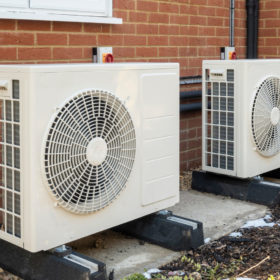
Cold-climate heat pump stays efficient in -12 C conditions
Lennox has developed the first prototype heat pump to achieve the US Department of Energy’s Cold Climate Heat Pump Technology Challenge’s standards, about a year ahead of schedule.
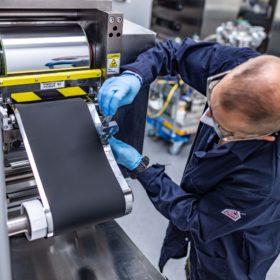
US startup unveils non-flammable batteries for EVs, storage
Alsym will produce its new batteries – made of readily available materials, without lithium or cobalt – for electric vehicles, stationary storage, and marine applications.

New in-roof PV system design from India
Ornate Solar’s engineering team designed, engineered and manufactured the new 530 kWp InRoof solar system in India. It serves as the primary rooftop for Pangaea Natural Stone’s factory in the Indian state of Rajasthan.
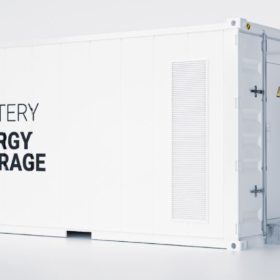
DEWA files patent for new redox flow battery tech
The Dubai Electricity and Water Authority says its novel redox flow battery stack offers better electrolyte distribution, which could result in higher power densities and lower manufacturing costs.
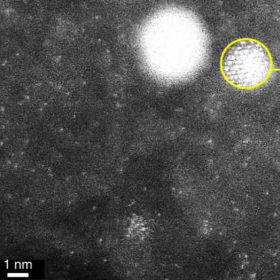
PEM fuel cell with lower platinum content
A Chinese-US research group has designed a proton exchange membrane fuel cell with a hybrid electrocatalyst. The scientists said the device shows remarkable stability and low performance losses.

Longi to use French patent success against Q-Cells in Netherlands
The patent litigation dispute between Hanwha Q Cells and Longi is heating up in Europe.
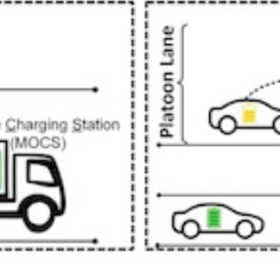
The mobility rEVolution: Charging on the go via peer-to-peer system to reduce range anxiety
In other news, Stellantis demonstrates wireless charging tech that transfers energy from road infrastructure to EVs, Toyota defies shareholder pressure to step up electrification efforts, and Volkswagen threatens to dethrone Tesla on EV sales by 2024.
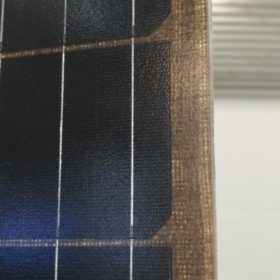
Solar panels based on biosourced materials
French solar energy institute INES has developed new PV modules with thermoplastics and natural fibers sourced in Europe, such as flax and basalt. The scientists aim to reduce the environmental footprint and weight of solar panels, while improving recycling.

Amorphous carbon nitride anti-reflection coating for solar cells
Scientists in Iraq have applied an amorphous carbon nitride (CNx) thin film as an anti-reflective layer in commercial crystalline silicon solar cells. They claim they were able to improve their efficiency from 5.52 to 13.05%.
