SMA swings to profit in first three quarters of 2020
Despite the coronavirus pandemic, the photovoltaic inverter maker was able to significantly increase its turnover and sales compared to the previous year.
New trial could nix rooftop solar export tribulations in South Australia
As some parts of Australia’s distribution networks threaten to black out under the flow of rooftop solar exports, ARENA announces funding for a trial that will enable flexible exports in line with what the networks can bear. Smart software is the answer.
SMA reports 42% increase in turnover, Meyer Burger swings to a loss
German inverter manufacturer SMA Solar Technology reported solid financial results for the first half of 2020 despite the Covid-19 crisis. Meyer Burger, however, saw sales and profits decline.
New alliance aims to break 600 W threshold
Chinese manufacturers including Trina Solar, Risen Energy and JA Solar have established a group to design and produce bigger PV modules. The 39-member alliance also includes inverter suppliers including Huawei, Sungrow and SMA.

pv magazine video: The pressing need for sustainability in solar
The solar industry faces many challenges in its move to become truly sustainable and that goal is imperative, rather than being simply a luxury, if the sector is to achieve terawatt scale. pv magazine’s first Sustainability Roundtable took place on June 10 and included discussion as to why sustainability matters in PV and which business, regulatory and technological approaches can be applied to achieve truly “green” solar power. A video of the event can be streamed online.

pv magazine video: Higher yields are possible
The first session of the pv magazine Virtual Roundtables Europe on June 9 showed that the performance of PV arrays can be boosted with effective measures – proving it’s more than just theoretical. The evaluation of a portfolio of 70 plants prompted a performance boost of 8.4%. The video of the event is now online.
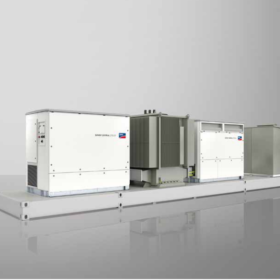
SMA to supply Australia’s biggest solar farm
The Western Downs solar farm will deploy German power electronics made in Australia, with SMA announcing that it has picked up a contract to supply the 400 MW (AC) project.
SMA sold 4.4 GW of inverters in the first quarter
The German manufacturer secured around 60% of the turnover expected this year in the first three months alone but still posted a net loss for a company relying on strong pre-Covid-19 activity in the U.S. and European markets.
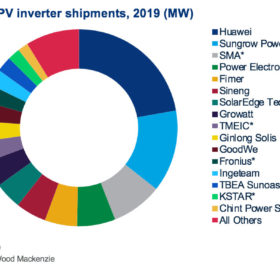
Huawei, Sungrow and SMA dominate global inverter market
Analysis from Wood Mackenzie shows global inverter demand grew 18% last year. The ten largest inverter suppliers accounted for 76% of the global trade.
SMA reduced operating losses in 2019
The German inverter maker last year saw shipments and revenue rise by 35% and 20%, respectively. The company claims measures taken to reduce its cost structure are bearing fruit.
