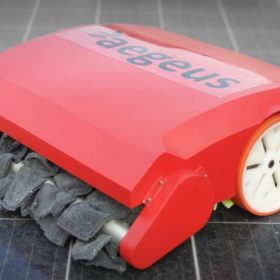
Water-free, portable cleaning bot for rooftop solar
India’s Aegeus Technologies has developed an autonomous, water-free cleaning bot for rooftop solar installations. The bot weighs 5 kg (with battery) and can be operated remotely through a web-based app. It uses an air wash technology to clean the panels, ensuring no need for water or any harmful chemicals.
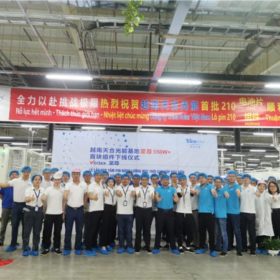
Trina Solar begins production of 550 W modules at Vietnam facility
Trina Solar broke ground on its Thai Nguyen plant in December, and completed construction in five months.

Global solar supply chain under scrutiny
The discussion about the extent to which forced labor exists in the solar value chain continues. A video, a university report, a ministerial response and a parliamentary machinations formed notable developments of the debate last week.

Romania preps auction scheme for large-scale solar, renewables
The scheme is expected to be issued within 18 months. According to law firm Schoenherr Romania, there is a growing appetite for large-scale solar projects in the country among investors.
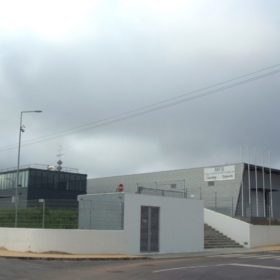
Solar module factory to resume production in Portugal
An investment of around €5 million will allow an old solar panel factory in the Beja district to reopen and create more than 40 new jobs. Galp Energia’s former director of innovation is part of the new team.
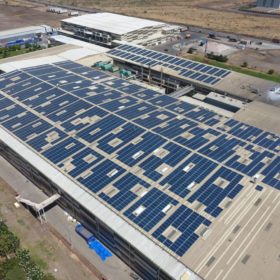
Rooftop solar uptake in India: Challenges and way forward
Poor and piecemeal implementation of net metering policies is a major roadblock for the uptake of rooftop solar system in India, according to a new report by Asian Development Bank.
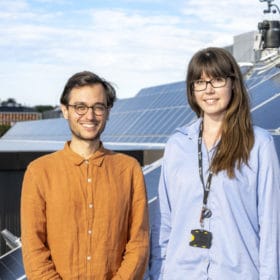
How much solar energy is lost through automated inverter settings?
In a huge data-crunching project designed to inform rooftop solar-export policy and regulations, Australian technical and social researchers delve into the costs and effectiveness of inverter standards.
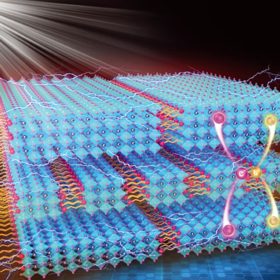
Sandwich structure of quasi-2D perovskite film nourishes next-gen solar development
Even as solar researchers strive to squeeze every drop of efficiency from the industry-ruling silicon solar-cell technology, scientists are constantly questing for the next, cheaper, more efficient way of harvesting the sun’s energy to power human endeavours. The appetite for accelerating 2D perovskite solar cell development has just been piqued!
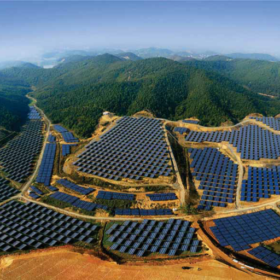
Chinese PV Industry Brief: New budget for residential PV, financials for Daqo, Canadian Solar
China’s National Energy Administration (NEA) has allocated some $77 million for residential PV incentives. This should be enough to deploy another 1 GW of rooftop PV.

Bahrain issues tender for solar park at Formula 1 circuit
The solar park is planned to have a capacity of 3 MW and sell power to the local grid under a 20-year PPA.
