Tandem solar modules vs commercial crystalline
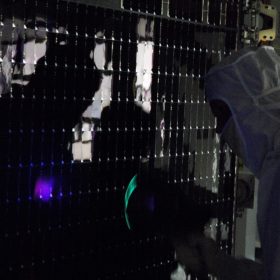
Researchers in France have tried to predict the competitiveness of tandem PV modules against commercial crystalline products in 2030. Crystalline products will be 22-24% efficient in a decade, according to the researchers, possibly 25% if interdigitated back-contact heterojunction versions become mainstream. To compete, tandem devices will need to offer similar life spans and degradation rates, plus efficiencies of 30%.

Brazil eliminates import duties for cells, modules, inverters and trackers
The Brazilian government has u-turned over solar equipment import duty by introducing a measure to remove the 12% levy for 101 types of module plus some inverters and trackers. President Jair Bolsonaro had vetoed a similar proposal by the Senate and House of Representatives in November, stating it would be too costly.

New York launches largest renewable solicitation in US history
4 GW of offshore wind and land-based renewables are set to come to the Empire State, as governor Andrew Cuomo looks to achieve the state’s renewable energy mandates while also kickstarting a post-Covid economy.
Chinese PV Industry Brief: Risen plans 13 GW output expansion, Datang reveals tender results
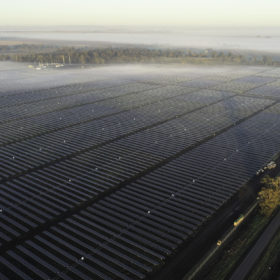
Risen Energy has announced plans to expand its annual cell and module output by 13 GW. Datang, meanwhile, has published the results of the module tender it held for this fiscal year.

Germany reinstates regular solar tender schedule
The extraordinary measure of not publishing the results of successful project bids – brought in during the Covid-19 crisis – is set to be lifted from September, when the projects allocated in procurement rounds over the last five months will be made public.
Vikram Solar plans 3 GW wafer, cell and module fab in Tamil Nadu
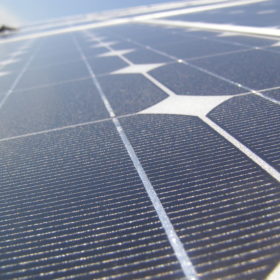
The engineering, procurement and construction services contractor – which has a 1.2 GW module production facility near Kolkata – will establish the factory under a five-year timescale.

Tender for 32 MW solar project subcontractors in Chad
The planned power plant marks the first phase of a 60 MW scheme 30km north of the capital, N’Djamena. The overall project is being developed by UK-based Private Infrastructure Development Group and French company Smart Energies International.

Construction begins on 64 MW unsubsidized Polish solar plant
The project, set to be commissioned this year, will sell power to an unspecified industrial client under a power purchase agreement.

Haiti addresses power shortages with 130 MW of PV capacity
The president of the Caribbean island has announced several ground-mounted PV plants will be tendered, along with 60 MW of thermal power generation capacity. The projects are part of a plan to provide the nation with universal access to electricity during Jovenel Moïse’s five-year term in office.

PV module recycling should prioritize high-purity silicon recovery
Recovering silicon of the quality required for reuse in panels is at the heart of mitigating device carbon footprints. R&D efforts should be ramped up now, says an international research group, so the technology is in place when huge volumes of modules begin to need replacing.
