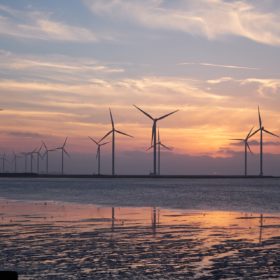
Testing floating PV, storage and hydrogen at Netherlands’ largest off-shore wind complex
Energy companies Shell and Eneco have secured the tender to build the 759 MW wind power plant. The partners will build a pilot solar park, short-term storage capacity and a green hydrogen plant at the facility, to assess their capabilities of balancing intermittent power.

Hydrogen storage in salt caverns in France
Hydrogène de France and gas grid company Teréga plan to launch a feasibility study for a 1.5 GWh pilot hydrogen storage project in caverns in the southwest of the country.
Temperature-based MPPT algorithm to improve PV system efficiency
Researchers in Spain have developed a maximum power point tracking (MPPT) algorithm based on just one input parameter – PV module temperature. The algorithm has already shown stability in testing, the scientists claim.
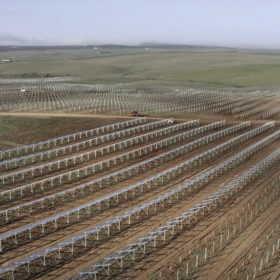
Europe’s largest solar-storage-hydrogen project
Spanish energy company Iberdrola plans to build a 100 MW solar park, a storage facility, and a hydrogen production station in Puertollano, central Spain. The €150 million project is scheduled to be operational next year.

Philippines’ nexus approach for water and solar power supply
The country’s National Irrigation Administration will bet on floating PV and solar-powered irrigation to improve water and energy supply. The Pantabangan and Casecnan dams, in the province of Nueva Ecija in the Central Luzon region, have been identified as ideal locations for floating solar.
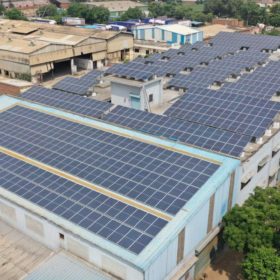
C&I rooftop solar set to surge in India
Rooftop solar is the obvious way for businesses to save on electricity costs amid the pandemic.
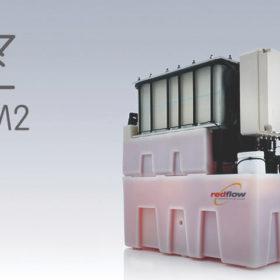
Redflow batteries to add VPP capabilities
Australia-based battery supplier Redflow has joined forces with smart-energy systems specialist carbonTRACK to add virtual power plant functionality to its flow batteries.
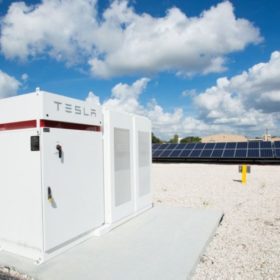
US installed more microgrids in 2019 than ever before
Most microgrid projects still feature distributed fossil fuel generation, but the share of renewable microgrids is rising, driven by high-volume adopters such as the Red Cross.

Australia’s renewables pipeline continues to grow at record speed led by solar PV
The Australian renewables sector was not immune to a host of challenges that marked the first half of the year, but the pipeline of renewable energy projects in the country reached new heights. While new construction dipped to a four-year low and financial close remained out of reach for a great number of projects, the second half of the year is looking more positive, according to Norwegian consultancy Rystad Energy.
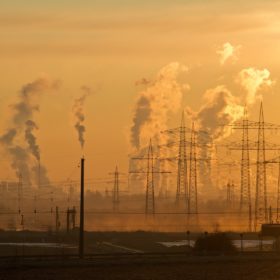
Cleaning the air is like ‘moving a solar panel from Toronto to Houston’
An international research team has measured the reduction of air pollution due to the Covid-19 shutdown and its impact on solar radiation levels. They found that solar radiation in Delhi, one of the world’s most polluted cities, was around 8.3% higher in late March, when the Indian government implemented lockdown measures.
