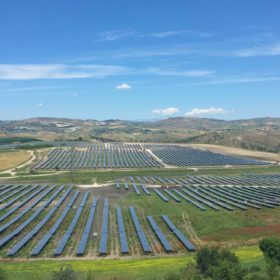
Italian PPA-linked solar portfolio sold
Chinese-Canadian module manufacturer Canadian Solar and Italy’s Manni Energy have sold five PV plants with a total generation capacity of 17 MW to Dutch independent power producer Sonnedix. The Sicilian projects are among Italy’s first operational unsubsidized PV facilities.

Solar growing faster than expected in Sweden
The Swedish Energy Agency this week said solar power supplies will increase from 400 GWh in 2018 to 1.7 TWh in 2022. Total energy supply in the country is expected to decline from 551 TWh to 526 TWh in the 2019-22 period, due to the shutdown of several nuclear power plants.
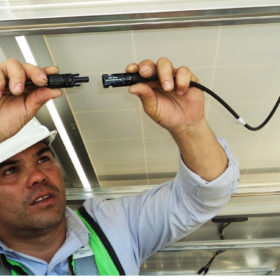
BNEF lowers 2020 global PV outlook due to coronavirus concerns
Many solar factories in China are starting to resume production, suggesting that concerns about supplies of PV components could soon begin to ease. Nevertheless, the temporary standstill will have an impact on the global solar market, as the implementation of some projects will probably be postponed until next year.

Poland added 300 MW of solar in first two months of 2020
The country’s cumulative installed PV capacity reached 1.6 GW at the end of February, according to the national grid operator.
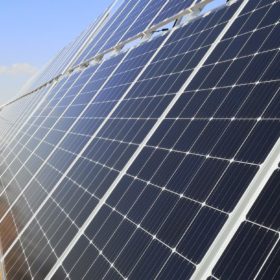
Tender for 15 MW solar park in Oman is a far-from-paltry investment
A’Namaa Poultry is seeking proposals for a solar power plant. The project selected will reportedly secure a power supply deal lasting up to 25 years.
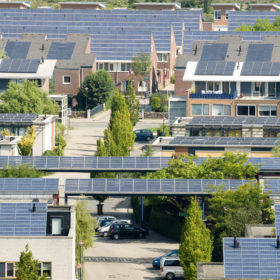
Energy community provisions for Italy
New measures introduced by the government allow households, businesses and public entities to produce and trade clean electricity in low-voltage grids. The new framework is open to power projects with a generation capacity no larger than 200 kW.

Slovakia launches first renewables auction
The ceiling price for solar and wind power has been set at €84.98/MWh. It is expected around 30 MW of generation capacity will be allocated and solar projects ranging in size from 100 kW to 2 MW will be entitled to participate.
Shell PPA for electricity from 100 MW energy storage facility in the UK
The oil giant says it will use the electricity provided by two 50 MW batteries to optimize the integration of renewables nearby. The task will be undertaken by the group’s Limejump unit. The energy storage units are set to be operational this year.
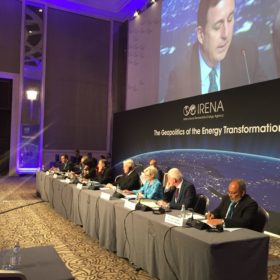
‘Renewables must grow four times faster to ensure sustainable future’
The share of renewables in the global energy mix must more than double by 2030 for the world to advance the energy transition and achieve sustainable development goals, according to the International Renewable Energy Agency. Renewable electricity should supply 57% of global power by the end of the decade, up from 26% today.

Cost of developing renewables in Southeast Asia put through new mapping tool
Using an application based on resource data and country-specific techno-economic inputs, a report has analyzed the costs of developing utility scale renewables in Southeast Asia and found abundant, cost-competitive potential.
