
NREL updates interactive chart of solar cell efficiency
The US National Renewable Energy Laboratory (NREL) has updated its research cell efficiency chart for a range of PV technologies.
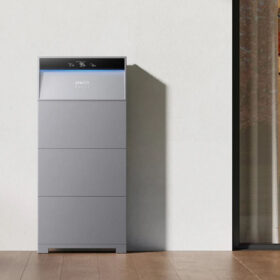
Anker Solix launches residential batteries
The new X1 can operate inside or out, from -20 C F to 55 delivering what Anker says is 100% power output without derating. The batteries are lithium iron phosphate (LiFePO4) and will reportedly remain fully operational for up to 3,000 charge cycles.

Trina Solar claims 740 W output for TOPCon PV module
The Chinese manufacturer said Germany’s TÜV SUD has confirmed the results.
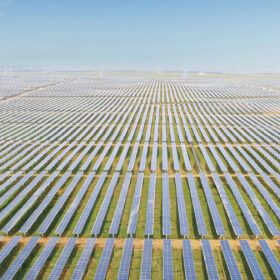
Chinese PV Industry Brief: China’s cumulative PV capacity tops 660 GW
China’s National Energy Administration (NEA) says the nation installed more than 47 GW of solar in the first three months of this year.

European Parliament approves law to ban products made with forced labor
The provisions cover all products and do not target specific companies or industries. They will be published in the Official Journal of the European Union tomorrow. EU member countries will have three years to enforce them.
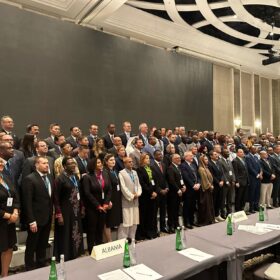
IRENA’s 14th assembly underscores role of geopolitics, urgent need for action
The 14th assembly of the International Renewable Energy Agency (IRENA) last week in Abu Dhabi underscored the centrality of geopolitics and security in the current global energy landscape. The gathering also called for greater action to achieve the COP28 target of tripling renewables deployment by 2030.

France announces new FIT rates for PV systems up to 500 kW
France’s new feed-in tariffs (FITs) for the period from May to July 2024 range from €0.1735 ($0.1850)/kWh for installations below 3 kW to €0.1141/kWh for arrays ranging in size from 100 kW to 500 kW.
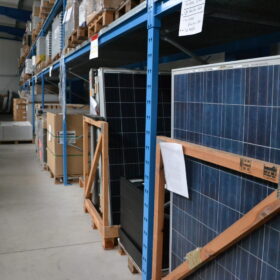
Low solar module prices affecting secondhand market
Stefan Wippich, the CEO and co-founder of Germany’s SecondSol platform, recently spoke with pv magazine about the development of the used PV module market. Wippich noted national differences and argued that it will be important to set rules for the trading of secondhand products.
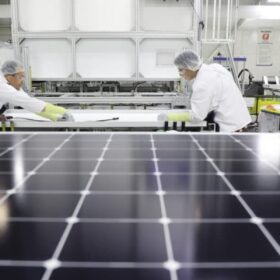
Maxeon sues REC, Hanwha Qcells for alleged TOPCon patent infringement
Maxeon has filed two different lawsuits in the United States against Hanwha Qcells and REC over claims that the two manufacturers used an unspecified tunnel oxide passivated contact (TOPCon) solar cell technology.

Renewables hit record levels in Australia as electricity demand rises
A new report by the Australian Energy Market Operator (AEMO) shows the nation’s clean energy transition is gathering pace with renewables, including large-scale and rooftop solar.
