
Global solar supply chain under scrutiny
The discussion about the extent to which forced labor exists in the solar value chain continues. A video, a university report, a ministerial response and a parliamentary machinations formed notable developments of the debate last week.

Estonian companies working on a green hydrogen value chain in 5 to 10 years
Estonia relies heavily on oil shale, which accounts for 4% of the country’s GDP. The Baltic state is working to increase green hydrogen production, but PV is projected to maintain a marginal role despite the recent growth. We spoke about it with Estonian energy company Alexela and cleantech start-up PowerUP Energy Technologies.

Romania preps auction scheme for large-scale solar, renewables
The scheme is expected to be issued within 18 months. According to law firm Schoenherr Romania, there is a growing appetite for large-scale solar projects in the country among investors.
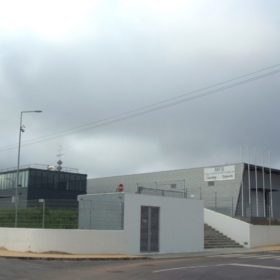
Solar module factory to resume production in Portugal
An investment of around €5 million will allow an old solar panel factory in the Beja district to reopen and create more than 40 new jobs. Galp Energia’s former director of innovation is part of the new team.
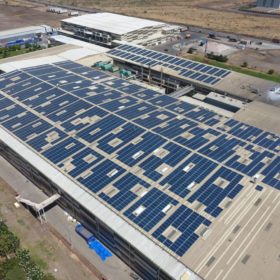
Rooftop solar uptake in India: Challenges and way forward
Poor and piecemeal implementation of net metering policies is a major roadblock for the uptake of rooftop solar system in India, according to a new report by Asian Development Bank.
How much solar energy is lost through automated inverter settings?
In a huge data-crunching project designed to inform rooftop solar-export policy and regulations, Australian technical and social researchers delve into the costs and effectiveness of inverter standards.
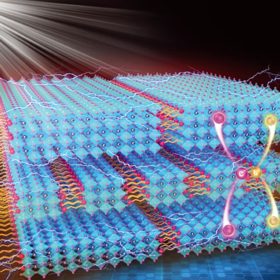
Sandwich structure of quasi-2D perovskite film nourishes next-gen solar development
Even as solar researchers strive to squeeze every drop of efficiency from the industry-ruling silicon solar-cell technology, scientists are constantly questing for the next, cheaper, more efficient way of harvesting the sun’s energy to power human endeavours. The appetite for accelerating 2D perovskite solar cell development has just been piqued!
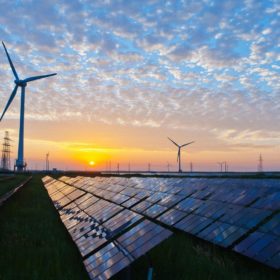
Tool offers insight into how solar and wind impact wholesale electric prices
Berkeley Lab’s Renewables and Wholesale Electricity Prices tool allows users to compare pricing trends across locations, regions, and timeframes, down to the nodal level.
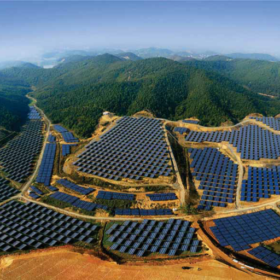
Chinese PV Industry Brief: New budget for residential PV, financials for Daqo, Canadian Solar
China’s National Energy Administration (NEA) has allocated some $77 million for residential PV incentives. This should be enough to deploy another 1 GW of rooftop PV.

Next2Sun unveils bifacial photovoltaic fence
The solar fence has an output of 400 W per fence section. It is built with heterojunction or n-type PERT bifacial cells developed by the German start-up and relies on its vertical mounting technology for bifacial photovoltaic panels.
