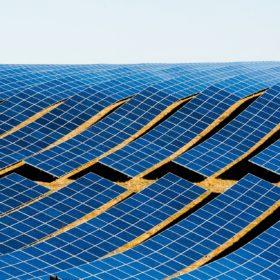
Two strategic Euro solar deals rumored
State-owned power company China Three Gorges is reportedly ready to offer up to €600 million for 13 solar assets owned by X-Elio in Spain while Germany’s ib vogt is up for sale, according to Reuters.
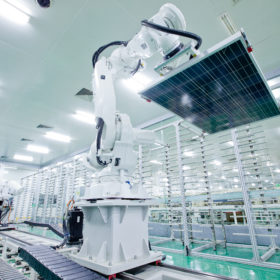
Jinko claims 24.79% efficiency for n-type monocrystalline cell
The Chinese manufacturer has claimed a world record for a large-size, contact-passivated solar cell. The result, certified by Germany’s Institute for Solar Energy Research in Hamelin, betters the company’s previous record by almost 0.6%.
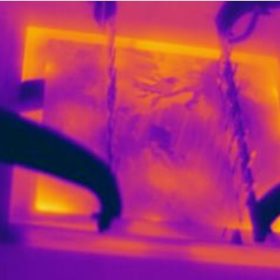
New protocols identify solar cell failures during production
Two new pass/fail protocols are said to be able to separate cells which present high hot-spot possibility, show high current leakage and demonstrate intermediate behavior. The sorting technique relies on a manual solar simulator, an infrared camera and a tool to measure isolation.
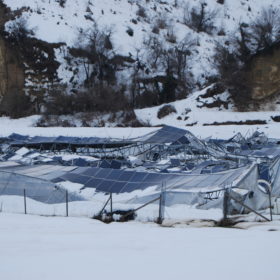
The cost of building stronger PV systems
Scientists in the U.S. have estimated the expense of strengthening solar systems. The researchers stressed that the upfront investment needed to take 13 key measures may be outweighed by the benefits.
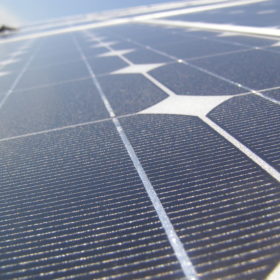
India’s ReNew Power to build 2 GW factory
The Haryana-based developer will invest up to $266.9 million to set up a new solar cell and module manufacturing facility.

Chinese PV Industry Brief: TCL acquires Zhonghuan, distributed-generation PV soars
TCL, one of China’s biggest electronics manufacturers, has acquired Zhonghuan Semiconductor. The National Energy Administration, meanwhile, reported record growth for the distributed-generation PV segment in June.
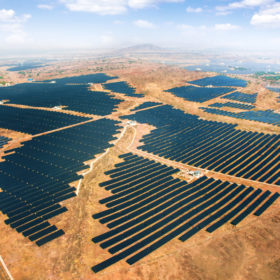
Tender launched for 1.07 GW of solar in India
Single developers can bid for any amount of capacity, from 10 MW up to 1.07 GW. The projects will be set up on a build-own-operate basis, anywhere in the state of Rajasthan. The deadline for bids is Aug. 31.
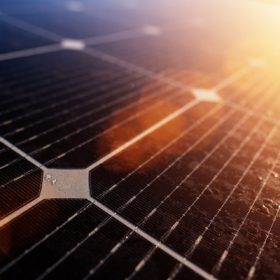
URE announces Taiwan factory disposal
The Taiwanese manufacturer said it has sold its Jhunan Kebei plant to a Taiwan-based maker of masks for semiconductor production. However, it will increase capacity at its manufacturing facility in Tainan by up to 200 MW in the third quarter.
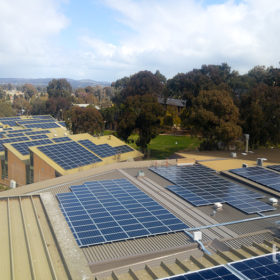
Australian rooftop PV may face grid constraints
The ability to feed electricity from rooftop PV arrays into Australia’s distribution network may be severely limited in the future, as installations appear likely to exceed expectations. A Cornwall Insight forecast sees some 24.45 GW of rooftop solar to be added through 2030 – a rate that accelerates the need for a distribution-level market and may see connections curtailed in the future.
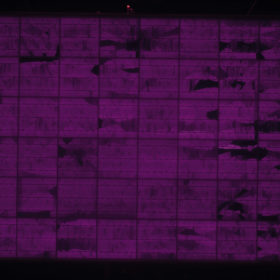
How the cracks are forming
Scientists in the United Kingdom have investigated the formation of cracks in PV cells, confirming that the high temperatures cells are exposed to during soldering for interconnection are a leading cause of cracking. Their findings will aid future research into module reliability and predictions of how cracks are likely to form.
