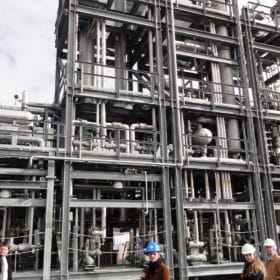
What must be done to use solar and wind in power-to-methanol
According to a research team from Oxford University, solar and wind may be applied in power-to-methanol projects only if the methanol industry will switch from conventional chemical processes, that require a constant energy supply, to more flexible processes that need demand-side management.
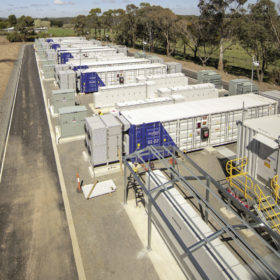
US energy storage market redefined in Q3
Installations hit a record 476 MW/764 MWh in the third quarter, with California’s deployment figures alone shattering all previous quarterly records.

Simulation tool for mismatch conditions at cell level
Scientists in Portugal have proposed a new framework to simulate mismatch conditions at the cell level. They claim the tool is particularly suitable for simulations of small PV systems with few module strings.
Chinese PV Industry Brief: JA Solar commissions 3.5 GW module factory in Shanghai
And Risen has agreed to buy 2.25 billion wafers from monocrystalline wafer manufacturer Wuxi Shangji Automation, while Trina has cornered another 30,000-ton slice of the global polysilicon market.
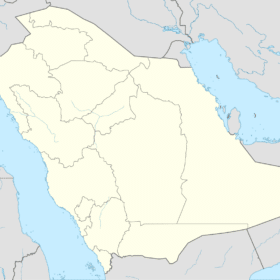
Solar will dominate Neom City’s energy mix, but CSP may prevail
Saudi Arabia’s futuristic Neom City will not use the cheapest sources of renewable energy, but those with the best chances of being dispatched, due to the storage potential of concentrated solar power. But several issues must be addressed to make the tech viable.

EU says Netherlands must pay €659m for evading anti-dumping duties on solar panels
The Netherlands has allegedly evaded anti-dumping and countervailing duties imposed on solar imports from China, Taiwan and Malaysia between May 2015 and March 2017, according to the European Commission. The Dutch government said the claims from Brussels are not justified.
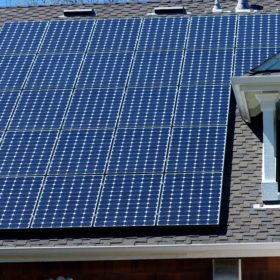
Belgium’s Flanders region to provide €58 million for PV rebates in 2021
The authorities in Flanders will grant maximum rebates of €1,500 per PV system to homeowners from Jan. 1. The scheme is expected to drive up solar installations by 1.5 GW by 2025.

Aurora Solar raises $50 million to support remote PV sales, design
The investment underscores the critical role of software in driving the mainstream adoption of solar.
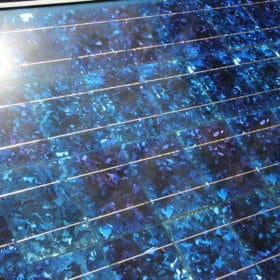
Water-based cooling technique for photovoltaic-thermal systems
The novel technique consists of a PVC pipe with 20 holes that is placed on the top of a PV module and is able to maintain a constant discharge of water. It was demonstrated on an experimental photovoltaic-thermal PV system in which the PV panel was not integrated with the solar collector but connected to it via pipes.

Germany deployed 421 MW of PV in October
In the first ten months of the year, the country saw the addition of PV systems totaling 3,924 MW. The rooftop segment keeps prevailing in the German PV market.
