The Hydrogen Stream: Electrolysis tech that can produce hydrogen from virtually any water source including salt water
A Swiss-Canadian consortium is developing a novel process to produce green hydrogen. Furthermore, Italy’s Snam is cooperating with IRENA and a French consortium wants to deploy high-end hydrogen storage systems for the railway sector.

Hybrid fuel cell-battery storage system for solar applications
Scientists in Thailand have built a hybrid system based on a 3 kW fuel cell and a 50 kWh lead-acid battery that is intended for storing solar power. They also sought to identify the best DC coupling voltage between the two devices in order to optimize their combined performance.
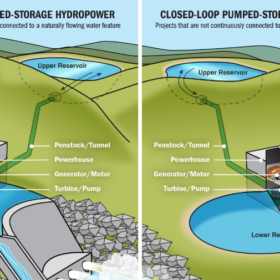
Closed-loop pumped hydro on the rise
Closed-loop pumped-hydro storage offers more chances to minimize environmental effects on water sources and overcomes the problem of finding suitable sites. According to an Australian research team, closed-loop systems could prevail on open-loop systems in the future and this trend is confirmed by another group of scientists from the United States.
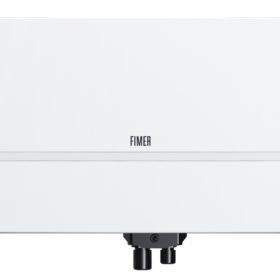
Fimer unveils two new string inverters and a residential battery
The Italian power electronics specialist has launched a single-phase inverter, a three-phase device, and a residential battery. The three products will be available for sale starting from January.
Quinbrook acquires planned 350 MW project in the UK
U.S. based renewables investor Quinbrook Infrastructure Partners this week announced that it has acquired a 350 MW PV and storage project set to be built in the Southeast of England. The project has already received planning permission from the UK government, and its new owner expects to begin construction in the first half of 2022.
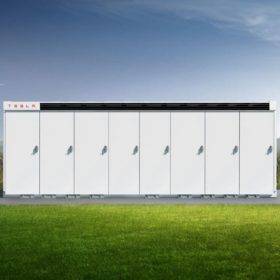
Arevon Energy taps Tesla for 2 GW/6 GWh of storage supply
Arevon Energy will install Tesla Megapacks at California load centers in a four-year series of projects called the Falcon portfolio.

Australian Vanadium moves forward with vanadium electrolyte factory
Australian Vanadium Ltd. has appointed a Western Australian engineering company to begin the first stage of what it says will be the country’s first vanadium electrolyte manufacturing plant.
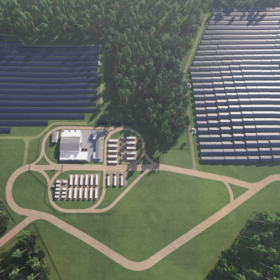
Large scale solar-plus-hydrogen project secures 25-year PPA in French Guiana
The PPA was awarded by French utility EDF. The facility relies on a 55 MW solar unit, a 16 MW electrolyzer, storage tanks and 3 MW of fuel cells.

Turkey tenders another 1.5 GW of utility scale solar
The Turkish government has set a ceiling price of TRY0.40/kWh ($0.045) for the fifth procurement exercise of the Yeka program.
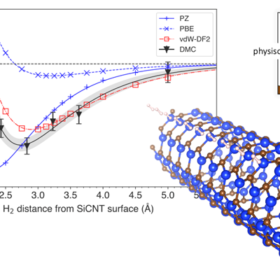
Storing hydrogen with silicon-carbide nanotubes
Storing hydrogen in carbon nanotubes and other nanostructures is still far from reaching commercial maturity. A Japanese research team, however, has developed a new simulation technology that may help better estimate the energy needed to favor the ideal interaction between hydrogen and its storage material.
