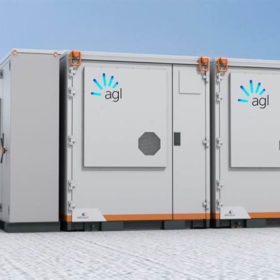
Australian utility gets tick of approval for 2GWh Liddell battery
Australia’s biggest power producer AGL has secured planning approval for a 500MW/2GWh grid-connected utility scale battery to be developed at the site of its coal-fired Liddell power plant in the New South Wales Hunter Valley.
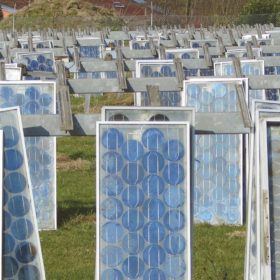
Greening US solar with end-of-life plan
The US Department of Energy’s five-year plan aims to reduce the environmental impacts of solar panels at the end of life, plus cut in half the cost of recycling the panels.
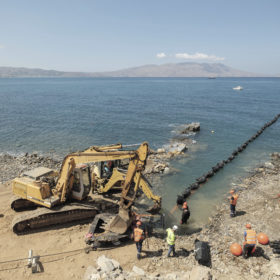
The weekend read: Super-grid forming in the Mediterranean
Electricity generation in the Middle East and Africa could soon support the development of an interconnection between Greece, Cyprus, Israel and Egypt. Ilias Tsagas examines the landscape for this infrastructure mega-project, and the possible benefits for solar.
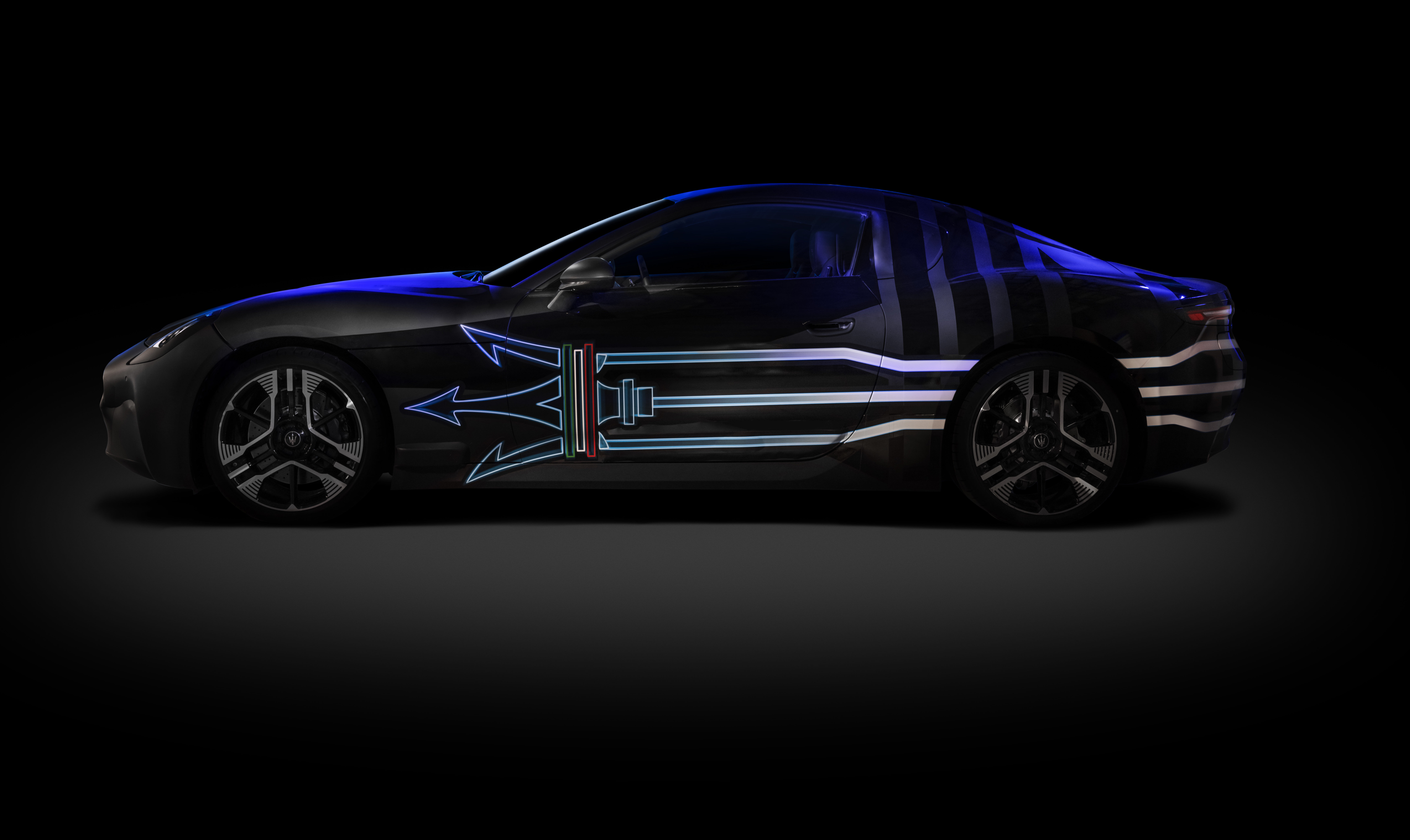
The mobility rEVolution: Maserati plans market launch of its electric GranTurismo Folgore
In other news, Ford has accelerated its EV push in Europe with seven new models, Samsung SDI is building a pilot line for solid state batteries, Northvolt is planning its third battery gigafactory in northern Germany, whereas Porsche has unveiled new electrification plans.

Hanwha Q-Cells says injunction against Longi was extended
According to the Korea-based photovoltaic manufacturer, the court of appeal in The Hague has extended the cross-border injunction against Longi. It now applies in eleven countries in which Longi is not allowed to sell the solar modules affected by the patent litigation, Hanwha Q-Cells states.

The Hydrogen Stream: Hydrogen-powered trains for the German network
Elsewhere, the Danish government announced a plan to deploy up to 6 GW of electrolyzer capacity by 2030 and Germany and Norway agreed to conduct a feasibility study on large-scale hydrogen transport, including via pipeline.

Chinese PV Industry Brief: Jolywood, Jinko expand polysilicon capacity
In other news, Canadian Solar revealed it shipped 14.5 GW of solar modules in 2021 and China Power said it installed 1.22 GW more solar generation capacity last year.
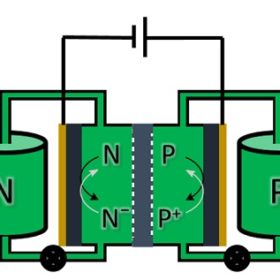
Symmetric redox flow battery based on Blatter radicals
A Dutch-Danish research group has provided a proof of concept for the use of Blatter radicals in electrochemical energy-storage applications. It tested these compounds in a small electrochemical cell that was found to remain stable over 275 charge/discharge cycles.
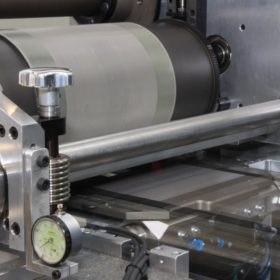
Demonstrator machine for high-throughput solar cell metallization
Developed by Germany’s Fraunhofer Institute for Solar Energy Systems ISE and ASYS Automatisierungssysteme GmbH, the new machine is claimed to increase the print process throughput by a factor of 1.5.
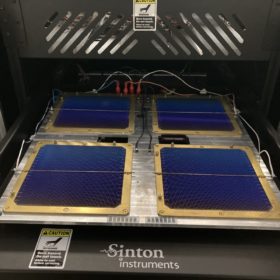
The Solar Tech Check: Toward 50-year modules, and how the numbers add up for HJT
This week sees new technoeconomic analysis published on different aspects/materials for heterojunction: Important to consider as Europe in particular looks to be betting big on this technology for its manufacturing comeback. And a new report from NREL in the United States examines progress in degradation and durability to increase module lifetimes.
