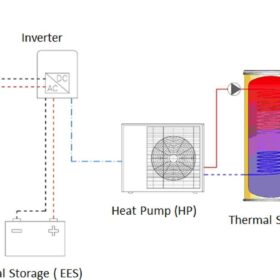
PV-powered heat pumps with thermal, electrical storage
Italian researchers have looked at the potential of thermal and electrical energy storage to improve self-consumption rates in buildings when coupled with PV-powered heat pumps. They have concluded that such an approach could yield self-consumption rates of more than 80%.
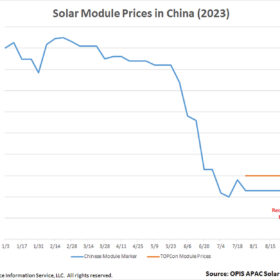
China solar module prices dive to record low
In a new weekly update for pv magazine, OPIS, a Dow Jones company, provides a quick look at the main price trends in the global PV industry.
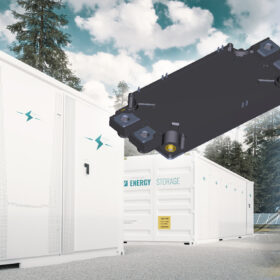
Toshiba unveils silicon carbide MOSFET for PV inverters
Toshiba has developed a 2,200 V silicon carbide (SiC) MOSFET for inverters and energy storage systems, in order to help inverter manufacturers to reduce the size and weight of their products.
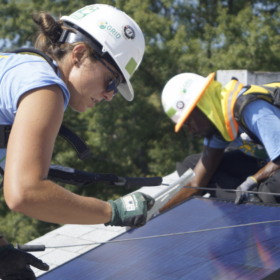
Solar dominated US generation capacity additions in H1, says Wood Mackenzie
Wood Mackenzie notes in a new report that solar accounted for 45% of US electricity generation capacity additions in the first half of 2023. It says that it expects 15% annual growth in PV installations through 2028.
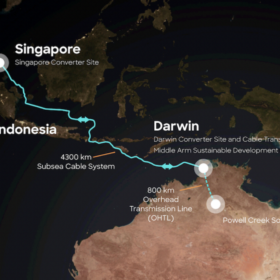
SunCable completes sale to Grok Ventures, expands project scope
SunCable has completed its sale to Grok Ventures and has announced new project elements, including a subsea cable manufacturing and testing facility, while reiterating its plans to supply energy to Singapore via undersea cables.
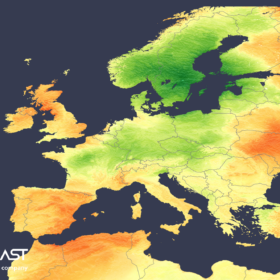
Jetstream changes drive UK and Spain solar resource higher
In a new weekly update for pv magazine, Solcast, a DNV company, presents the solar irradiance data it collected for Europe in August. The UK saw on average 110% of normal August irradiance, with values exceeding this in the north. Spain and Portugal received 10-20% more than normal, due to reduced cloud.
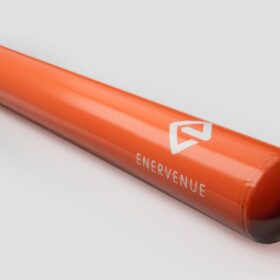
EnerVenue launches new metal-hydrogen battery variant
EnerVenue has developed a new metal-hydrogen battery. The US startup says the battery’s efficiency ranges from 80% to 90%, depending on the cycle rate, and claims that its energy density per square foot is equal to or even better than lithium-ion batteries.

Key takeaways from Brazil’s Intersolar South America trade show
The 10th edition of Brazil’s Intersolar South America trade show grew from last year’s event in terms of exhibitors and visitors. The Brazilian solar market is now on track to maintain its position as one of the world’s largest, despite a slight contraction this year.
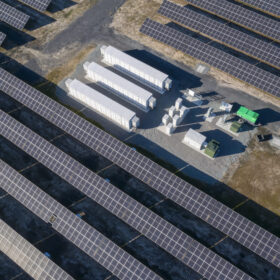
India approves viability gap funding scheme for battery storage development
India aims to develop 4 GWh of battery energy storage systems (BESS) by 2030-31 through its viability gap funding (VGF) scheme. The selection of BESS developers for VGF grants will undergo a transparent, competitive bidding process.
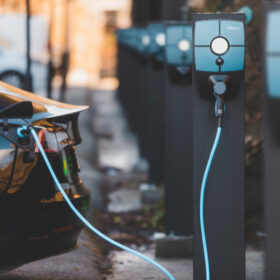
Bringing the benefits of affordable EV charging points to apartment blocks
One of the benefits of electric vehicle (EV) ownership is being able to plug your car into a wall at home ready for the following day’s commute but the idea is not so simple for apartment dwellers. Harald Seip, of EV charger company Elaway, suggests ways EU policymakers could solve that problem.
