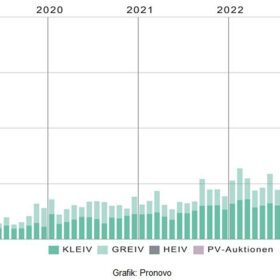
Switzerland records 600 MW of subsidized PV projects in Q1
The Swiss Federal Office of Energy says the number of PV installations registered for subsidies with Pronovo, a Swiss government agency, rose 81% year on year in the first three months of 2024.

How drone EL mapping can help solar insurance claims
As the world becomes increasingly roiled by extreme weather, drone-based electroluminescence (EL) mapping can be a key weapon in the arsenal of solar investors.
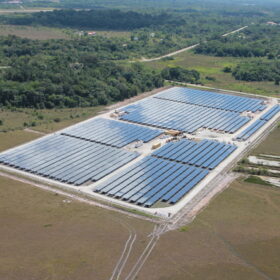
France allocates 49.8 MW in PV tender for non-interconnected areas
CRE, the French energy regulator, initially planned to allocate 99 MW in its PV tender for non-interconnected areas, but ultimately allocated 49.8 MW.
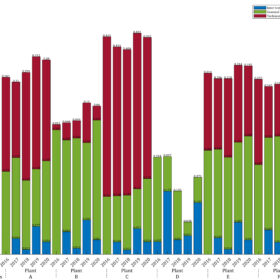
The impact of seasonal, meteorological factors on PV plant performance
Scientists in Japan have investigated the impact of seasonal, metereological factors on solar plant performance and have found the average power generation inefficiency reached significant levels. The findings suggest that optimal site for power plants requires careful consideration of meteorological and geographical data.

South Australia tests energy-smart homes to ease pressure on grid
An “Australian first” demonstration of aggregated flexible demand in residential settings will be rolled out in South Australia, with the state’s principle electricity distributor to deliver smart energy upgrades for 500 households as part of a pilot program to coordinate power usage and support the grid.
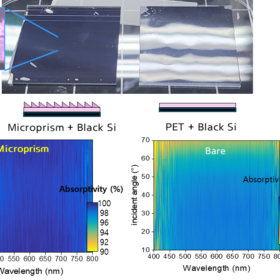
Korean researchers build vertical solar panels with low reflection losses
The modules are equipped with Maxeon solar cells and a microprism sheet that reportedly upholds a transmittance exceeding 99%. The microprism array is imprinted onto a PET sheet using the roll-to- roll embossing technique.
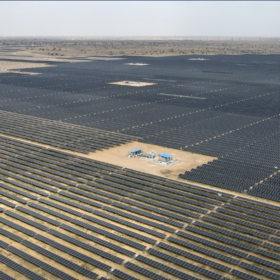
India’s renewable tenders hit 70 GW
India has accepted bids to set up 69.8 GW of renewable energy capacity, far surpassing its annual bidding target of 50 GW in fiscal 2024. Activity surged due to large-scale potential for market growth, central government support, and higher operating margins.
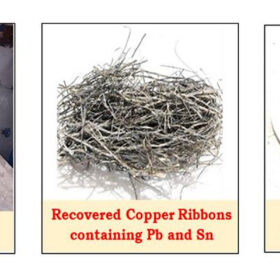
Three-step process to recover lead from end-of-life solar panels
Researchers in India have developed a new solar module recycling process that transforms lead into less toxic lead monoxide. It consists of three main steps – leaching, precipitation, and calcination.
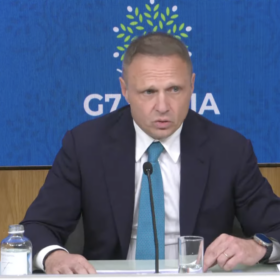
Italy bans PV from agricultural land
The Italian government has issued a new decree to completely ban solar from agricultural land. The new provisions will not apply to projects currently undergoing the approval process.
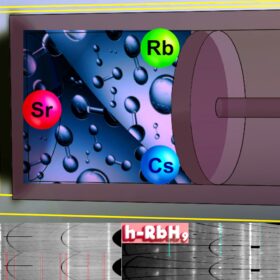
Researchers propose use of cesium, rubidium for hydrogen batteries
A study led by Russia’s Skoltech and China’s HPSTAR suggests that rubidium and cesium additives could improve the efficiency of hydrogen batteries. Researcher Dmitrii Semenok tells pv magazine that “it is a question of changing the approach to the search for promising hydrogen storage materials.”
