Extending lifecycle of flywheel energy storage via average consensus algorithm

From ESS News
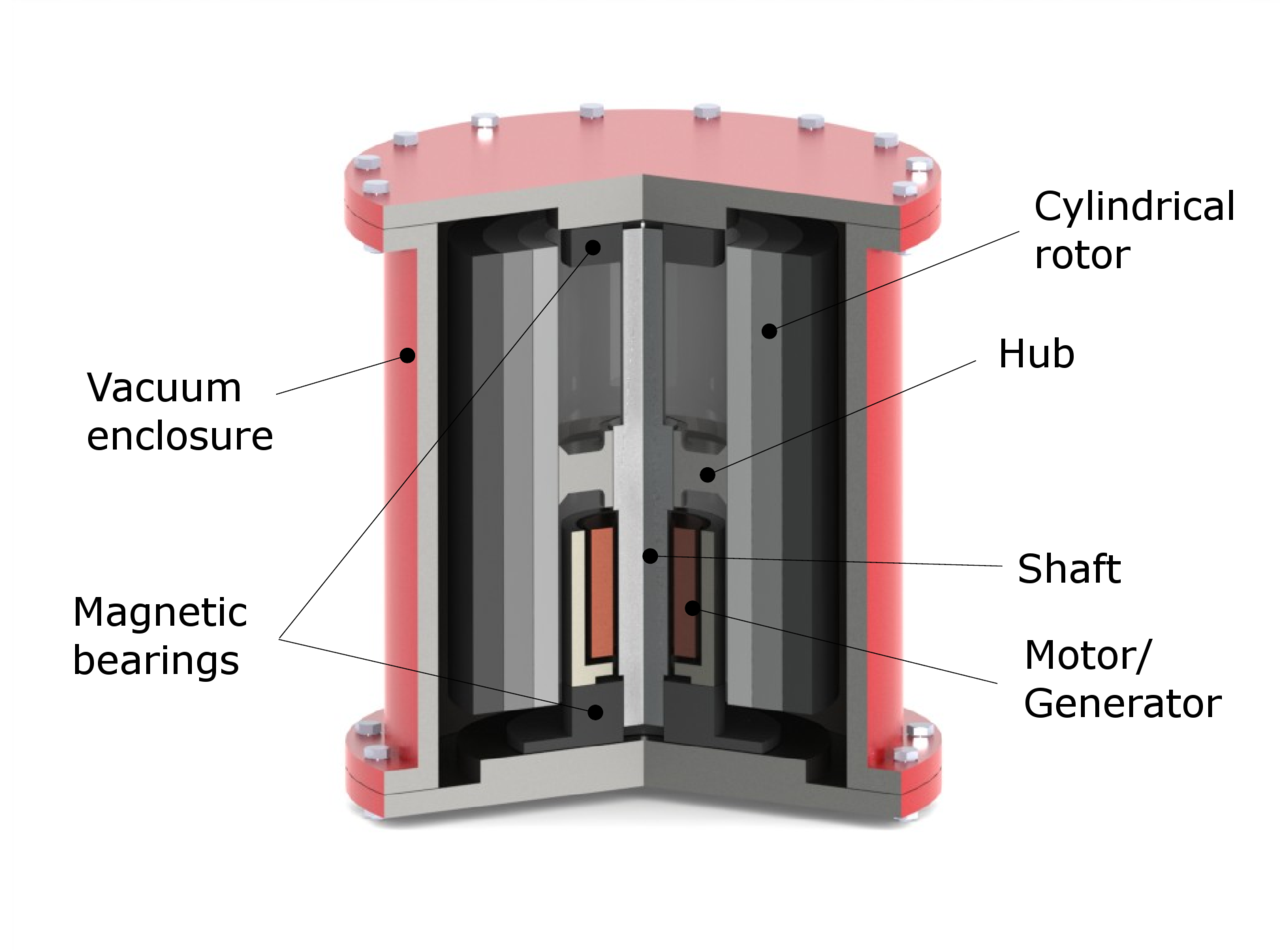
Researchers at the Inner Mongolia University of Technology in China have developed a new lifecycle parameter that can reportedly help increase coordinated control and service life in flywheel energy storage array systems (FESASs).
Compared to other mechanical energy storage technologies such as pumped hydro and compressed air, FESASs have higher values for specific power, specific energy, power and energy density, lifecycle, efficiency, self-discharge rate, and energy capital costs. By contrast, FESAS have lower values for lifespan, scale, maintenance and power capital costs. Their impact on the environment is extremely low, while that of pumped hydro and compressed air is medium to low and high to medium, respectively. Furthermore, FESASs are claimed to effectively achieve power smoothing, frequency regulation, and improved power quality.
To continue reading, please visit our ESS News website.
This content is protected by copyright and may not be reused. If you want to cooperate with us and would like to reuse some of our content, please contact: [email protected].

Please login to comment