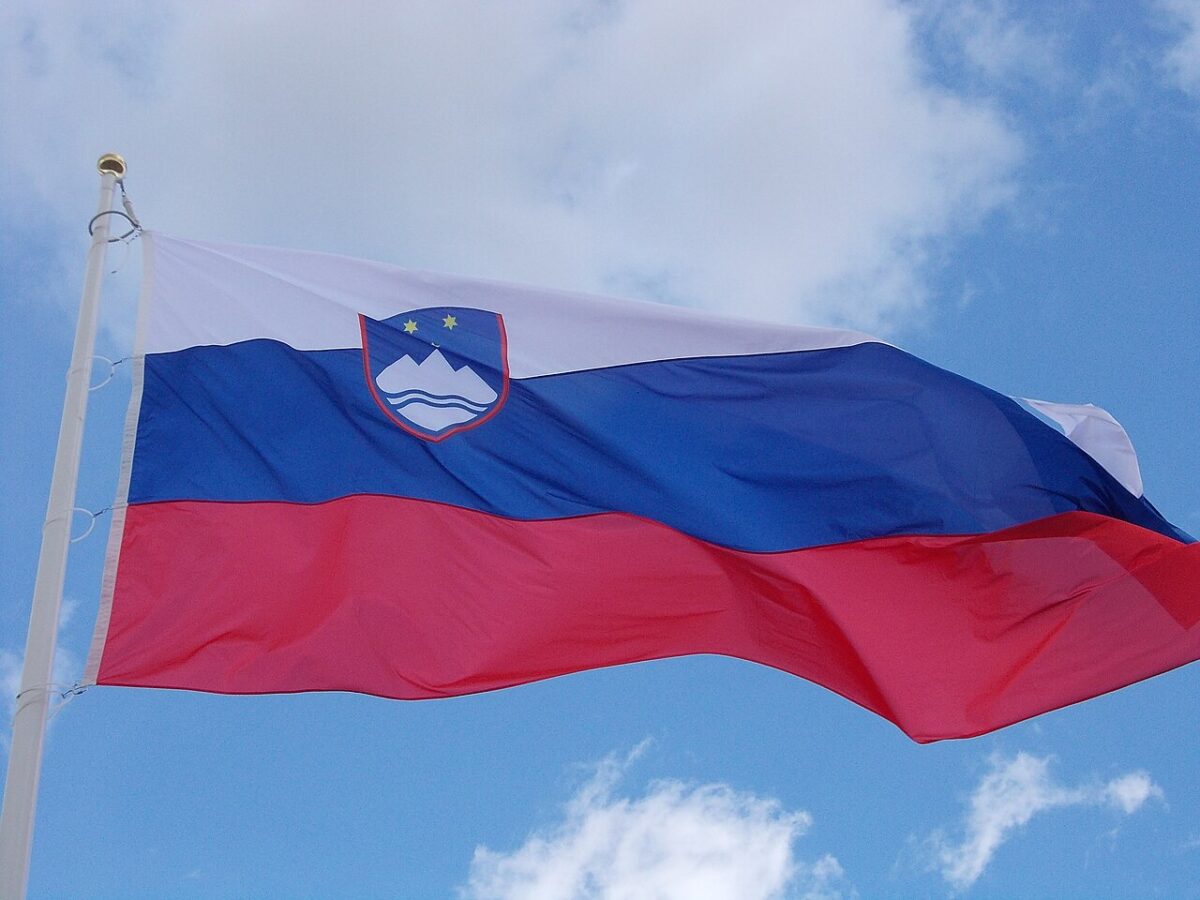





Slovenia deployed 146.5 MW of solar in 2025, according to figures from the Slovenian Photovoltaic Association (Združenje Slovenske Fotovoltaike). The figure is down on the 298.8 MW added in 2024 and takes cumulative capacity to 1.57 GW.
ZSFV Director Nina Hojnik told pv magazine the drop in installations was largely down to a sharp fall in residential deployments, where a total 45.2 MW of solar was added last year, which she said represents a 90% year-on-year decline.
The residential market is historically Slovenia’s leading market segment but has slowed following the end of net metering in 2024. Hojnik said that 70% of last year’s residential installations were installed in 2024 before the annual net metering mechanism ended but faced delays in grid connection.
“There is an upward trend in issued permits from 2024 to 2025 which is a welcome development and shows people recognizing the good conditions we have in Slovenia,” Hojnik added, while advising that household installations should pick up this year, with an expected shift towards solar-plus-storage hybrid systems.
“We don't need regulatory changes in the residential market but stability and transparency in the regulatory framework, paired with transparency in supporting mechanisms,” Hojnik said. “We would also encourage a clear incentive for retrofitting net-metering systems with battery energy storage systems to lower the effect on the grid, ease the effect of the complex tariff system and prepare consumers for all upcoming changes.”
The C&I market segment is now leading Slovenia’s solar market growth, with 92.6 MW added last year, slightly down on the 100.8 MW from 2024. Hojnik said subsidies and opportunities for managing the cost of energy are driving the market, while noting that focus is shifting towards battery storage that compliments investments in PV systems.
“There were 400 MW of approved projects under state subsidies in the last two years that are yet to be implemented,” Hojnik explained. “On top of that, the C&I is also the segment where the largest capacity of permits were issued in 2025.”
There were three utility-sized systems connected in Slovenia last year for a total 9.4 MW, compared to 6.5 MW in 2024. Among last year’s installations was Slovenia’s largest industrial rooftop system to date, a 5.3 MW array belonging to Slovenian manufacturer Gorenje.
Hojnik said that while the utility-market is still limited, there was a rise in permits issued last year, with some projects already in the implementation phase and scheduled for completion either this or next year. “We do see some positive developments for planned projects, especially those planned by the state owned companies,” she explained.
Last May, the Slovenian government approved a spatial plan for a 30 MW solar project. Planning is also underway on a 140 MW floating solar project on Lake Družmirje in northern Slovenia. Construction of the project, which would be Europe’s largest floating solar array to date, is scheduled to begin later this year.
Slovenia updated its Act on the Promotion of the Use of Renewable Energy Sources, known as ZSROVE, in late 2025. Hojnik told pv magazine the update introduced the idea of a renewables scheme based on contracts for difference (CfDs). “The detail and actual attribution and benefits for solar are not clear at this point but we would like to see a clear direction towards CfDs for solar and storage,” she explained.
The latest reforms also tightened controls around agri-PV and where agrivoltaics can be deployed in Slovenia. “This is unfortunate and could hurt in particular the agricultural sector,” Hojnik said. “We should definitely seek synergies, not avoid them.”
This content is protected by copyright and may not be reused. If you want to cooperate with us and would like to reuse some of our content, please contact: editors@pv-magazine.com.


By submitting this form you agree to pv magazine using your data for the purposes of publishing your comment.
Your personal data will only be disclosed or otherwise transmitted to third parties for the purposes of spam filtering or if this is necessary for technical maintenance of the website. Any other transfer to third parties will not take place unless this is justified on the basis of applicable data protection regulations or if pv magazine is legally obliged to do so.
You may revoke this consent at any time with effect for the future, in which case your personal data will be deleted immediately. Otherwise, your data will be deleted if pv magazine has processed your request or the purpose of data storage is fulfilled.
Further information on data privacy can be found in our Data Protection Policy.