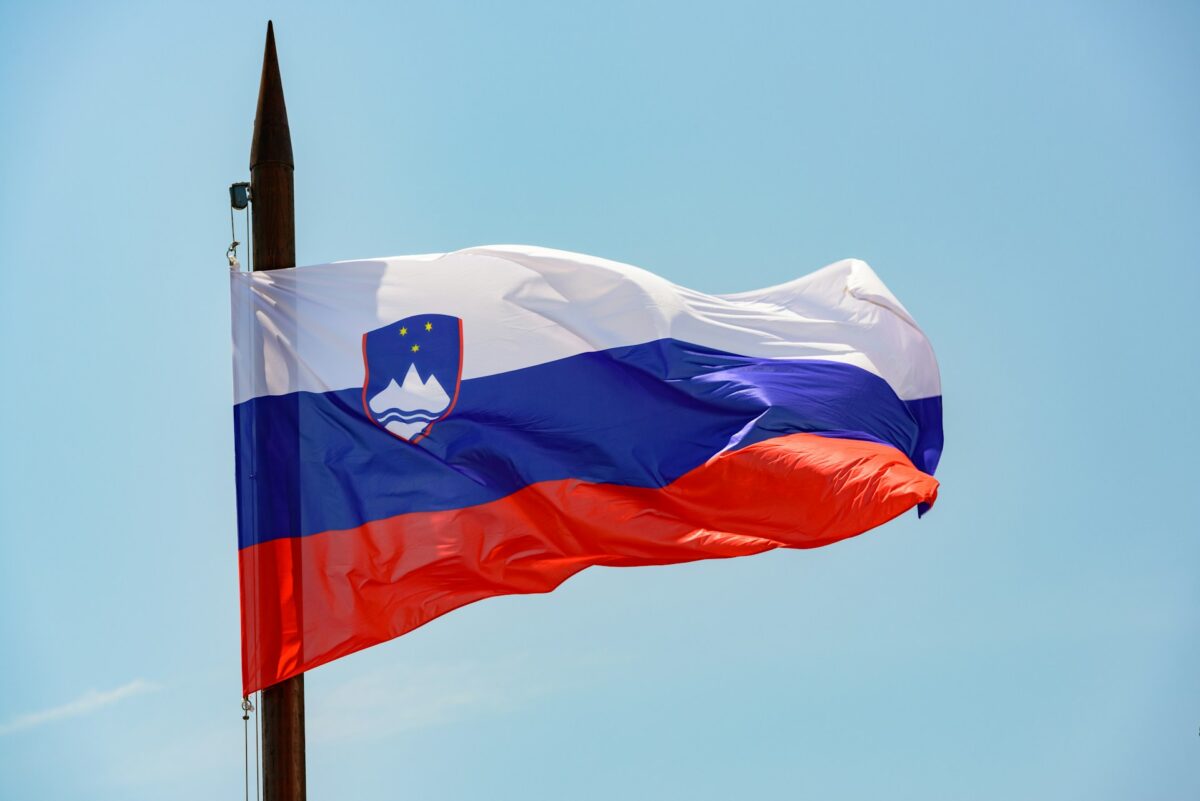





Slovenia added 85 MW of solar during the first six months of 2025, according to figures from the Slovenian Photovoltaic Association (Združenje Slovenske Fotovoltaike).
The association’s director, Nina Hojnik, told pv magazine that the figure marks the lowest added capacity in the past four years. The slowdown stems largely from a sharp drop in residential installations, traditionally Slovenia’s strongest market segment.
Hojnik said most residential systems connected in the first half of 2025 were installed last year, before the end of the net-metering scheme, but faced delays in grid connection.
To address this, the association worked to ensure those systems remained eligible for net-metering.
“Without that, the picture would be quite different,” Hojnik said. She added that about 500 residential systems were connected outside this agreement during the first six months of 2025, compared to roughly 10,000 in previous years over the same period.
Hojnik said Slovenia’s residential solar sector has faced negative press and misinformation in mainstream media, along with changes to the electricity tariff system in October 2024, leading to trust and communication issues.
She added that, unlike other countries experiencing a slowdown in residential solar, Slovenia continues to offer favorable market conditions. These include funding calls across all solar segments and support for standalone batteries.
Subsidies for residential hybrid systems remain particularly generous. Hojnik said they are designed to offer returns similar to those seen under net-metering, while helping consumers avoid the impact of the new tariff system. The challenge, she said, is convincing consumers to take advantage of the incentives.
“We need a two-phase procedure that would secure the funds for investors before the realized project,” Hojnik said. “This would ensure the investor gets the guarantee of receiving the money once the project is completed and would also allow the installation companies to offer more favorable conditions to customers.”
Slovenia’s C&I market, made up mostly of mid-size rooftop installations, is now the country’s strongest segment. It accounted for about half of new installations in the January-June period. Hojnik said there is reason for optimism, citing a positive trend in connection permits.
The utility-scale segment remains in its early stages but is showing modest growth. The first half of 2025 saw two new utility-scale connections totaling 7.4 MW, up from 6.5 MW added in all of 2024.
Hojnik said that nine utility-scale connection permits were approved during the first half of 2025, totaling 27 MW. In May, the Slovenian government approved a spatial plan for a 30 MW solar project.
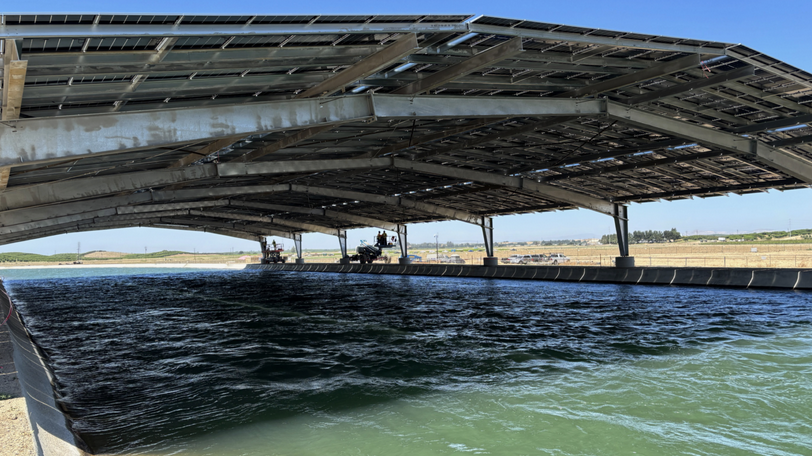
Among the notable projects to come online in Slovenia during the first half of the year was a 2.9 MW solar plant in the upper reservoir of the Avce pumped-storage hydropower facility. The plant is expected to reach 8 MW by the end of next year. Slovenia also connected its largest rooftop solar installation to date: a 4.4 MW array on the roof of home appliance manufacturer Gorenje-Hisense’s industrial plant.
Slovenia deployed 298 MW of solar in 2024 and 400 MW of PV in 2023. By the end of the first half of 2025, cumulative capacity reached 1.5 GW.
This content is protected by copyright and may not be reused. If you want to cooperate with us and would like to reuse some of our content, please contact: editors@pv-magazine.com.


By submitting this form you agree to pv magazine using your data for the purposes of publishing your comment.
Your personal data will only be disclosed or otherwise transmitted to third parties for the purposes of spam filtering or if this is necessary for technical maintenance of the website. Any other transfer to third parties will not take place unless this is justified on the basis of applicable data protection regulations or if pv magazine is legally obliged to do so.
You may revoke this consent at any time with effect for the future, in which case your personal data will be deleted immediately. Otherwise, your data will be deleted if pv magazine has processed your request or the purpose of data storage is fulfilled.
Further information on data privacy can be found in our Data Protection Policy.