




From ESS News
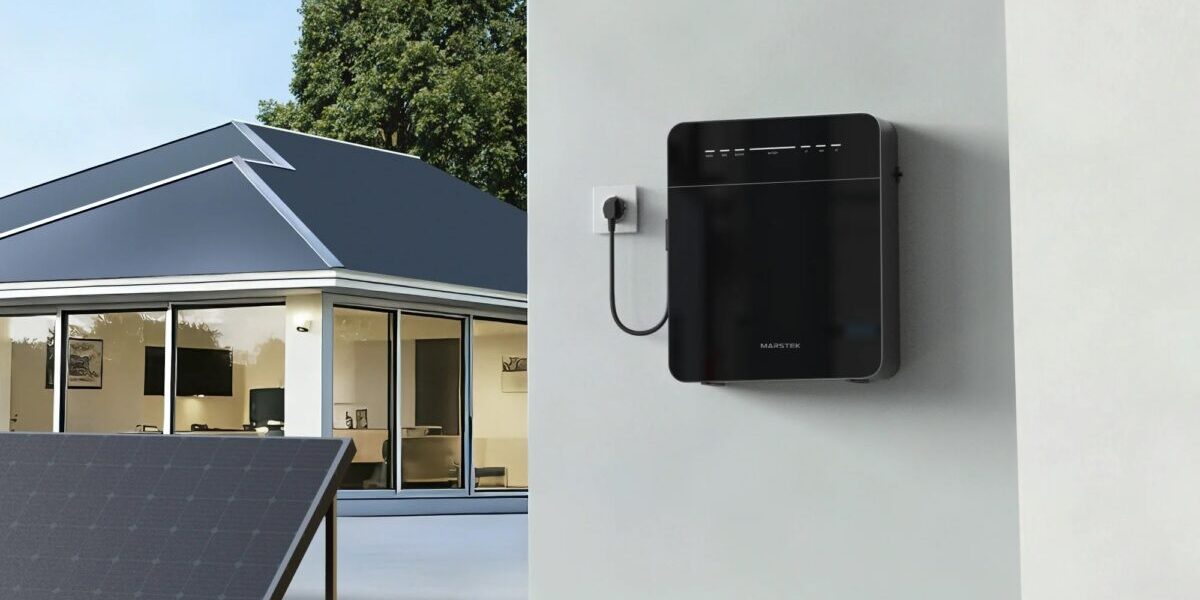
Chinese battery manufacturer Marstek has introduced the Venus B, a plug-in energy storage device that can be connected via a standard Schuko socket. The system is designed for use with small photovoltaic systems and for optimizing energy costs with dynamic electricity tariffs.
The storage unit has a usable capacity of 2 kWh and is equipped with an integrated inverter. The maximum charging power from the grid is 1.5 kW. According to the manufacturer, the device can output either 800 W or up to 1.5 kW of power.
The device plugs into a wall socket and can thus absorb excess solar power from a plug-in solar system on the same circuit. Alternatively, the battery can also be charged with cheaper electricity from dynamic tariffs and discharged again when prices are higher. As is often noted, a profit may depend on round-trip efficiency.
According to Marstek, the storage system can be installed without any modifications to the existing plug-in solar system and is compatible with various photovoltaic systems.
To continue reading, please visit our ESS News website.
This content is protected by copyright and may not be reused. If you want to cooperate with us and would like to reuse some of our content, please contact: editors@pv-magazine.com.



How does a plug in system work without a Line Transfer Switch. If the line power fails, it has to be isolated from the house supply before standby power from a battery or generator is turned on. A simple plug in solar system inverter will sense if there is power on the line and will not turn on in the absence of line power. It cannot be used as a standby source of power without an automatic or manual Transfer Switch.