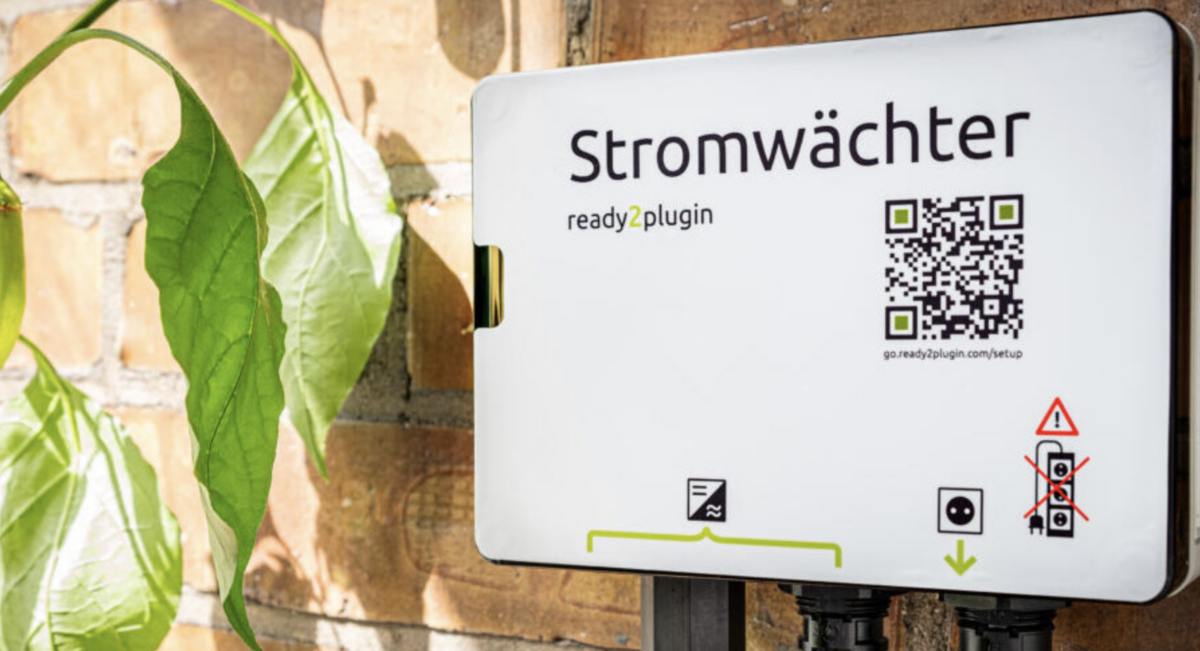





A new German grid standard is opening the door to significantly larger plug-in PV systems that can be installed and registered without an electrician, according to industry participants.
The update to VDE-AR-N 4105:2026-03 introduces a simplified connection process for small generation systems with inverter output of up to 800 VA. Under the new rules, this process applies to PV systems above 2,000 Wp, systems with storage, or those seeking remuneration, allowing system operators to complete registration themselves using a dedicated form.
The revised framework removes formal limits on module capacity within this simplified process. However, the inverter output remains capped at 800 VA for plug-in systems, effectively defining their grid feed-in capacity.
In practice, developers can combine higher PV capacities with storage to optimize self-consumption. Industry estimates cited in the interview suggest systems of up to 10 kW could be configured under the new framework, although technical and regulatory thresholds apply. These include a requirement for smart meters for systems above 7 kW and compliance with product and installation standards such as DIN VDE V 0126-95 and DIN VDE V 0100-551-1.
The rules also clarify that plug-in systems without storage, below 2,000 Wp, and without remuneration requests can be registered solely in Germany’s market master data register, without notification to the grid operator. Larger systems or those with storage must still be registered with the grid operator using the simplified process.
The framework allows storage systems to draw electricity from both the co-located PV system and the grid, but requires compliance with safety provisions, including overload protection and real-time monitoring of household electrical limits.
Industry representatives said technologies enabling dynamic load management and thermal protection could allow higher effective system utilization within the 800 VA constraint, particularly when paired with battery storage.
The changes follow growing deployment of plug-in solar devices in Germany, where installation rates have accelerated in recent years. According to figures cited in the interview, uptake of plug-in systems is expanding significantly faster than conventional residential rooftop PV.
This content is protected by copyright and may not be reused. If you want to cooperate with us and would like to reuse some of our content, please contact: editors@pv-magazine.com.


By submitting this form you agree to pv magazine using your data for the purposes of publishing your comment.
Your personal data will only be disclosed or otherwise transmitted to third parties for the purposes of spam filtering or if this is necessary for technical maintenance of the website. Any other transfer to third parties will not take place unless this is justified on the basis of applicable data protection regulations or if pv magazine is legally obliged to do so.
You may revoke this consent at any time with effect for the future, in which case your personal data will be deleted immediately. Otherwise, your data will be deleted if pv magazine has processed your request or the purpose of data storage is fulfilled.
Further information on data privacy can be found in our Data Protection Policy.