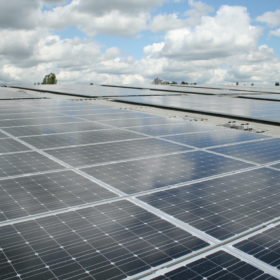
Solar projects under construction face uncertainty in India
Factors like a labour shortage and proposed duties on module imports could lead to significant cost overruns for Indian developers.
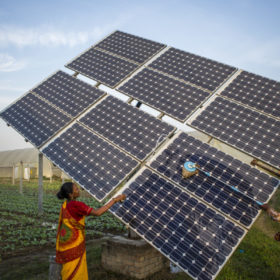
India launches tender for innovative solar pumps
Bidders will be expected to deploy their tech in real field conditions. Shortlisted entries will be given sites to install solar pumps under India’s rural PV scheme.

Auctions show Indian renewables still primed for growth
A report by the Institute for Energy Economics and Financial Analysis says there is plenty of investment capital available for Indian renewables, despite pandemic disruption.
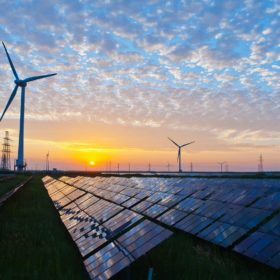
Choosing the right sites for Indian renewables
With biodiversity concerns and social impacts such as arguments over the loss of agricultural land delaying projects, non-profit The Nature Conservancy India has published a report to help developers choose their locations more carefully and get India’s energy transition back on track.
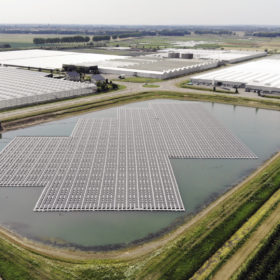
Floating PV driving solar growth in Indian state of Odisha
The state, which is aiming to hit 2.2 GW of solar within two years, has received a Solar Energy Corporation of India proposal for 500 MW of floating project capacity even as it approves a 40 MW water-borne array put forward by the national solar body. The 500 MW suggested comes on top of a similar scale of floating PV planned across the state by public hydropower company NHPC.

Indian solar leaders call for overhaul to navigate Covid-19
Indian PV manufacturers have highlighted the need to find alternative supply chains and to push automation and Internet of Things applications on the factory floor, in order to keep production running amid raw material and labor shortages.

Indian rooftop PV capacity nears 6 GW
Bridge to India figures show dominance of Chinese inverters, which supplied almost 80% of installs from July last year to the end of June.
Gujarat opens 210 MW solar tender
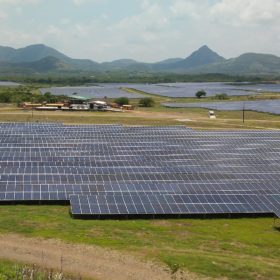
Developers now have until September 23 to lodge bids for an earlier, 110 MW procurement round and can also toss their hat into the ring for a new tender in the district of Jamnagar which closes on October 5.
India launches tender for 100 MW solar+storage project
The Indian authorities will award a ground-mounted, grid-connected turnkey solar+storage project via an international competitive bidding process, followed by a reverse auction. Bidding closes on Oct. 27.

New solar+storage concept for Himalayan villages
U.K. thin-film PV specialist Power Roll is testing a new solar+storage system that can be manufactured for just $0.03/W. It can be deployed on a wide range of non-load-bearing buildings, including agricultural structures and warehouse rooftops.
