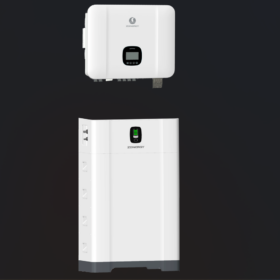
New residential battery inverter solution from China
Zonergy has developed a 2.5 kWh lithium iron phosphate (LFP) battery system featuring an inverter with an output ranging from 8 kW to 15 kW. It says four to 16 modules can be combined for between 10 kWh and 40 kWh of energy storage capacity.
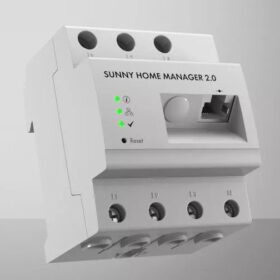
SMA, Samsung to integrate heat pumps with residential PV
Samsung and SMA are using a new cloud-to-cloud system that allows PV systems with SMA inverters to be integrated with Samsung heat pumps.

Indian startup introduces 5 kWh storage system based on second-life EV battery
India’s Lohum has designed a 5 kWh energy storage system in collaboration with MG Motor India, as part of efforts to develop second-life solutions for used EV batteries.
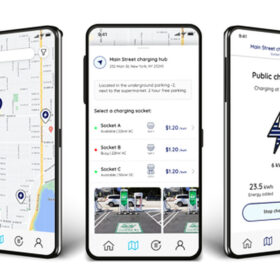
SolarEdge launches solar-optimized EV management platform
SolarEdge’s new software-based solution manages and optimizes the electric-vehicle (EV) charging process for sites that have solar resources and large numbers of EVs requiring dynamic load management.
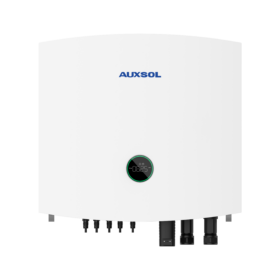
New high-voltage hybrid inverters for residential applications from China
Auxsol’s new three-phase hybrid inverters have efficiency ratings of 97.8% and European efficiency ratings of 97%. They are available in five versions, with power outputs ranging from 5 kW to 12 kW.

Hybridizing gravity energy storage with batteries, supercapacitors
Developed by Chinese researchers, the novel hybrid storage technology may achieve an efficiency of over 80% and be applied in distribution and transmission grids. The proposed combination is reportedly able to offer the advantages of gravity energy storage and power-based storage systems in a single solution.
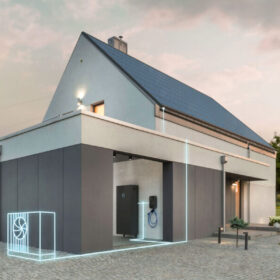
Sonnen connects heat pumps to virtual power plant in Germany
Sonnen has introduced a new software solution to seamlessly integrate heat pumps into private household energy supplies and enhance grid stability. The company’s initial partner is heat pump manufacturer NIBE, but additional partners are expected to join in the future.
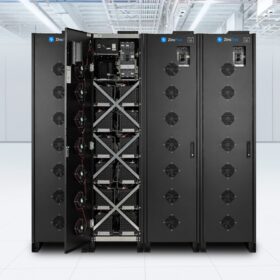
Nickel-zinc battery systems with hydrogen, EV charging
ZincFive is supplying battery systems for Advanced Power & Energy’s hydrogen-fueling microgrid and pilot DC fast-charging station in Greenville, Pennsylvania

Mitsubishi to deploy heat pumps, solar, storage in remote island project
Mitsubishi Electric has launched a demonstration experiment to assess the efficiency of heat pumps in demand-response control on the Aran Islands in Ireland and San Pietro Island in Italy. As part of the European Union’s REACT project, solar, wind, and storage solutions will also be implemented to enhance the energy self-sufficiency of isolated islands.
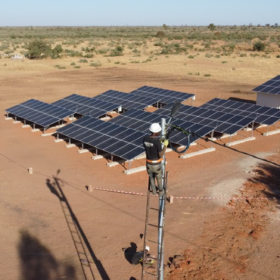
German developer moves forward with minigrid project in Senegal
Germany’s development bank, KfW, is financing a new minigrid project in Senegal with a $138.8 million loan.
