
The impact of solar minigrids in rural Pakistan
A research team assessing the social embeddedness of solar minigrids in rural Pakistan found the technology responds to energy poverty while fostering empowerment in communities, leading the team to conclude a minigrid can foster broader societal change while providing a technological solution.
Ten reasons why behind-the-meter solar is a benefit
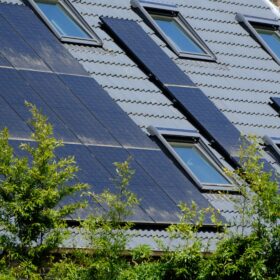
Behind-the-meter solar for homes, businesses, and communities comes with numerous benefits, said a paper from Stanford engineering professor Mark Jacobson.

German lab pilots 20 kV battery system to cut energy losses
Researchers at Dortmund University are testing a high-voltage battery system operating up to 20 kV to reduce energy losses and improve efficiency.

Vietnam proposes financial support for residential solar, storage systems
Households in Vietnam could receive up to VND 3 million ($113.9) in investment capital for home solar-plus-storage systems installed for self-consumption, or a preferential loan of up to VND 40 million, under proposals from the country’s Ministry of Industry and Trade.

Supermarket EV chargers in Berlin could improve efficiency by over 250%
German researchers say shared-use and digital brokerage models could lift utilization and profitability of supermarket EV charging stations by up to 255%.

High-rise buildings could soon use gravity energy storage, say researchers
Researchers in Canada have proposed using gravity-based energy storage in high-rise buildings, in combination with photovoltaic facades, small wind turbines, and lithium-ion batteries. Their modeling indicated that this hybrid system could achieve a levelized cost of energy ranging from $0.051/kWh to $0.111/kWh.

Philippines approves world’s largest solar project for grid connection
The Energy Regulatory Commission (ERC) of the Philippines has given the MTerra Solar Project permission to develop its own dedicated transmission facilities and connect to the Luzon grid. The first phase, encompassing 2.5 GW of solar and 3.3 MWh of battery storage, is due for completion in 2026.

Prototype magnesium battery operates at room temperature in breakthrough
New research reopens the question around magnesium-based battery viability at room temperatures.
Solis unveils 75–125 kW hybrid inverter for C&I solar
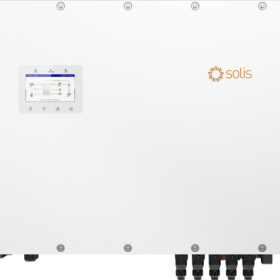
The Chinese manufacturer said its new inverters can deliver 160% overload for 200 ms in off-grid mode, ensuring stable startup of heavy loads. The IP66-rated products feature a maximum efficiency of 97.6% and a European efficiency of 97.2%.

Negative pricing reshapes solar finance as investors turn to storage for flexibility in Europe
Growing price volatility and the rise of negative pricing across power markets are pushing lenders and developers to rethink risk and revenue structures, focusing on asset flexibility and sustainable business models for storage, including co-location.
