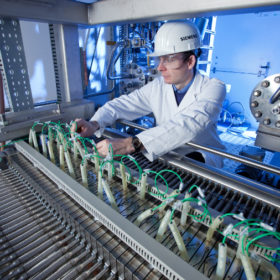
Sector coupling in Europe could see solar and wind demand double
Market intelligence firm BloombergNEF has published a report with power company Statkraft and clean energy distributor Eaton highlighting the importance of sector coupling for Europe’s decarbonization plans. Analysts examined the power markets of Germany and the U.K. and concluded effective sector coupling including the use of green hydrogen could lead to greenhouse gas emission reductions of 83% by 2050.

Cheaper flow batteries with new membrane
US scientists claim to have discovered a membrane which could lead to cheaper large scale flow batteries. The material is an ion-selective, aqueous-compatible polymer with intrinsic microporosity known as AquaPIM and is said to have tunable thickness and high conductivity in aqueous electrolytes.
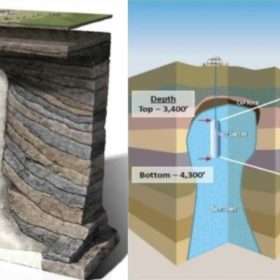
Hydrogen is the first viable option for seasonal storage
Compressed hydrogen is “the first viable option” to help meet wintertime electricity demand in a high-renewables grid, says DNV GL.
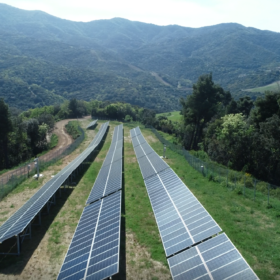
France’s largest storage project
Total is building a 25 MW/25 MWh lithium-ion storage system in Mardyck, northern France. The oil giant plans to commission the facility by the end of the year.
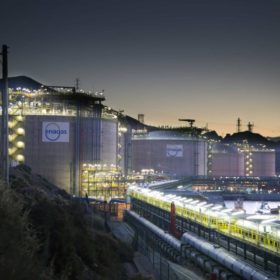
Is green hydrogen necessary to balance a renewables grid?
A report by Norwegian energy consultant DNV GL has considered the opportunity for long-term energy storage to play a role in balancing annual supply and demand fluctuations in a renewables-led grid. Using 58 years of Dutch weather and energy consumption data, the study found long-term solutions such as green hydrogen could make a valuable contribution – but perhaps not as much as some analysts believe.

European industrial strategy makes no mention of solar
The move has been welcomed as a step in the right direction by lobby group SolarPower Europe nevertheless, particularly as it envisages bringing together EU low-carbon businesses. The outline ambition will now be considered by the European Parliament.

EU climate law sets the stage for a green transformation
Although decried for lacking ambition and as an abdication of responsibility in some quarters, the climate law proposed by the European Commission may be more ambitious than it first appears, as Felicia Jackson, from the center for sustainable finance of the School of Oriental and African Studies at the University of London – considers here.
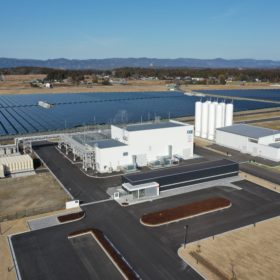
Solar-powered hydrogen production in Japan
Toshiba has finalized construction of a 10 MW hydrogen plant in Fukushima prefecture which draws power from 20 MW of solar generation capacity as well as the grid.

Optimistic solar outlook in India dimmed by Covid-19
Developers are also expected to drag their heels over project completion during the first half of the year as the safeguarding duty applied to imported Chinese and Malaysian solar products is due to expire at the end of July.
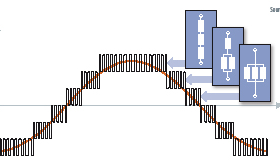
Storage Highlights 2020 – Megawatt Winner: m-Bee
With the new decade, pv magazine brings forth yet another energy storage highlights. Approximately two weeks of work went into sifting through this year’s 22 highlights submissions, conducting research, and preparing them for the jury. Once again, this year’s work was crowned by the moderation of the jury meeting, in which six leading industry experts discussed the technologies and solutions. Differing from previous years, the jurors have selected the top five “Gigawatt” winners, followed by five “Megawatt” winners, and a series of “Finalists” which we are publishing here.
