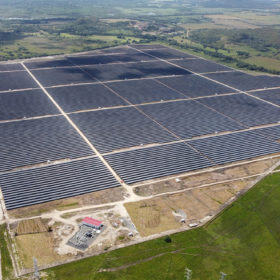
Central America’s largest PV plant goes online
A new solar project has been switched on in Penonomé, in the province of Coclé, Panama. It was built with 450,000 solar panels and 89 inverters.
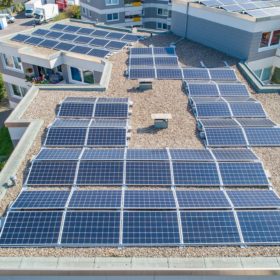
Brazil tops 13GW of installed PV capacity
The country installed around 3GW of new PV systems in the fourth quarter of 2021 alone. Around 8.4GW of the current PV capacity is represented by solar installations not exceeding 5MW in size, and operating under net metering.
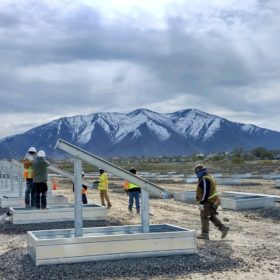
US developers added nearly 10 GW of utility-scale PV in first 10 months of 2021
US solar developers built almost 10 GW of new utility-scale solar in the United States in the first 10 months of last year, which is a record for that time frame.
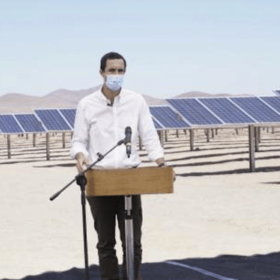
Chile to hold new renewables auction in June
Storage projects, and projects linked to some storage capacity, will also be entitled to participate in the procurement exercise.
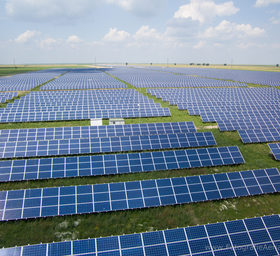
Romania to hold first renewables tender in H1 2022
Romania will likely allocate several gigawatts of solar power through a range of procurement exercises over the next four years. According to the Romanian Photovoltaic Industry Association, there are currently between 20 GW and 30 GW of large-scale renewable energy projects in various stages of development, with several hundred megawatts potentially set to go online this year.

South Korea allocates 2.2 GW in PV tender, final average price comes in at $0.119/kWh
Selected projects will be awarded a fixed rate under a 20-year contract under the country’s renewable energy certificate (REC) scheme and will sell electricity to local power distributors.
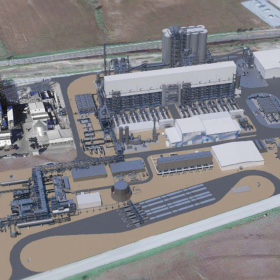
The Hydrogen Stream: China Yuchai unveils hydrogen engine, Monolith secures $1bn to expand Nebraska facility
Elsewhere, the ‘world’s first hydrogen racing truck’ has set out on this year’s Dakar Rally, with sponsorship from Saudi Aramco, and French hydrogen equipment business McPhy has been selected as preferred supplier for the GreenH2Atlantic project in Portugal.
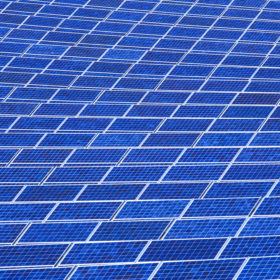
Chinese PV Industry Brief: PetroChina reveals results of 4.5GW procurement tender
The energy company will buy panels from JinkoSolar, Risen Energy, Canadian Solar, JA Solar, GCL Integration and Longi. Elsewhere, Xinyi Solar and Golden Solar have both announced new transactions to strengthen their business.
Higher PV module prices may point to stable demand and more sustainable pricing trends
Sharply rising PV module prices were one of the most notable developments in global solar markets in 2021. And while it dampened PV installations, with some projects delayed or canceled, the higher prices may point to a future where robust and stable demand leads to more sustainable pricing trends.

Serbia targets 8.3GW of solar by 2024
Serbia is responding to European pressure to accelerate its energy transition to cleaner fuels by allocating €12 billion for wind, PV and hydropower facilities over the next two years. Thus far, there has been little in the way of development in the country, but some regulatory frameworks have been improved.
