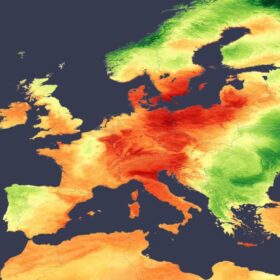
Tracks of low-pressure systems split Europe’s solar performance in November
In a new weekly update for pv magazine, Solcast, a DNV company, reports that Europe’s solar generation potential in November showed a strong east–west split, with Eastern Europe experiencing 15–20% below-normal irradiance due to persistent storms, while much of Western and Central Europe recorded 15–20% above-average levels under clearer conditions. The Atlantic coast was an exception, as Storm Claudia reduced irradiance to near or below average in Portugal, the British Isles, and parts of France and Spain.
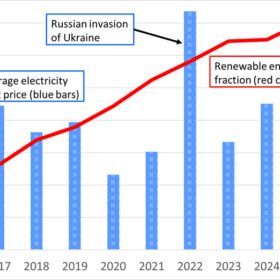
Solar, wind and storage: stable prices, stable grid
In its latest monthly column for pv magazine, the International Solar Energy Society (ISES) explains how Australia’s rapid expansion of solar and wind energy has not increased wholesale electricity prices, which have remained stable since 2016. Rooftop solar, now widespread and highly cost-effective, provides the country with resilient, low-emission power, making all-electric homes increasingly independent from the grid.
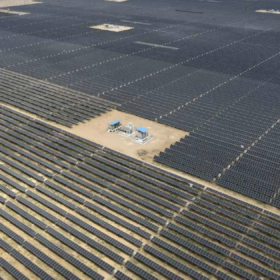
India passes 132.8 GW of installed solar capacity
India’s installed solar capacity reached 132.85 GW at the end of November 2025, led by utility-scale projects in Rajasthan, Gujarat and Maharashtra, according to the central government.
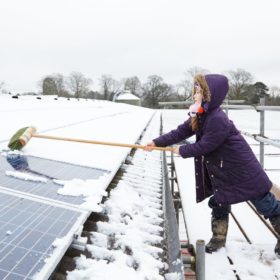
Rooftop bifacial PV can produce over 9% more power than monofacial systems in high-latitudes
A study analyzing urban bifacial PV systems in high-latitude areas found they can generate 9–13% more electricity than monofacial panels under snow conditions, particularly in winter, while also achieving a lower levelized cost of electricity. The research developed a techno-economic optimization model considering snow effects, panel orientation, interrow spacing, and operation modes, highlighting sensitivity to market conditions and discount rates.
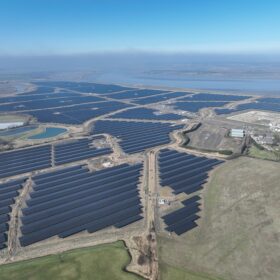
UK added at least 2.5 GW solar in 2025, revised data reveals
Provisional capacity data updated with 1.5 GW of solar added to total deployment figure. New capacity additions include largest solar plant to date and a record year for rooftop installations.
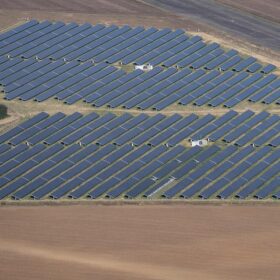
Greek solar producers petition EU over repowering and storage rules
Two complaints to the European Commission allege Greek repowering policies and high performance bonds for battery storage projects block upgrades, raise costs, and hinder energy transition, according to industry association Pospief.
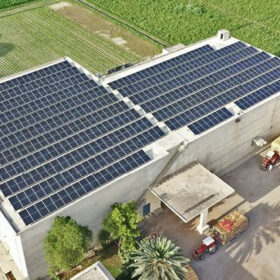
Pakistan unveils new net metering rules for rooftop PV
Pakistan’s National Electric Power Regulatory Authority (NEPRA) has initiated a public consultation on proposed revisions to solar net-metering regulations. A key change under consideration is a reduction in the tariff for surplus solar power, which could be cut by half from PKR 26 ($0.093) per kWh to PKR 13 per kWh.

Geon launches new inverter battery for residential, commercial use
The Indian manufacturer said its new Geon Gelithium series is an efficient back-up solution for homes, clinics, small retail outlets, offices, and light commercial applications. The system is available in two versions with an inverter rated capacity of 1,250 VA and 2,500 VA, respectively.
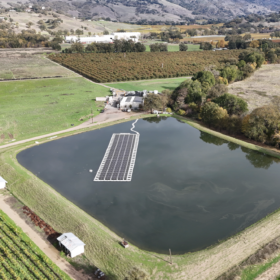
California winery runs all operations on floating and rooftop solar
A family-owned California winery has replaced grid electricity with onsite solar generation, reducing power costs and providing a live test site for floating photovoltaic research.
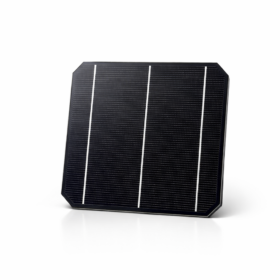
French testing body flags durability risks in TOPCon solar modules
Accelerated testing by French certification body Certisolis finds wide performance divergence and design vulnerabilities in tunnel oxide passivated contact (TOPCon) solar modules that current international standards do not capture.
