
Australian iron ore producer, South Korean steelmaker agree to green hydrogen future
Fortescue Metals Group Chairman Andrew ‘Twiggy’ Forrest returned to Western Australia last week after a four-month worldwide search for green energy projects and resources. One of the deals secured on the trip was a circular green hydrogen partnership with South Korean steelmaker Posco.
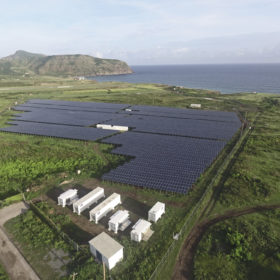
New method to build microgrids based on solar, hydrogen
The use of polymer electrolyte membrane fuel cells as backup power generation in solar microgrids could drive down costs and improve efficiency, according to an international group of researchers. They have proposed a new energy management system that could be ideal for hybrid solar-hydrogen microgrids in remote locations.

Australian industrial precinct to host 28 MW/56 MWh grid-balancing battery
The battery will serve the industrial precinct of Newcastle in the Australian state of New South Wales. It will not be directly linked to solar or wind generation but will be intended to charge and discharge directly from the grid in response to disturbances or market signals.
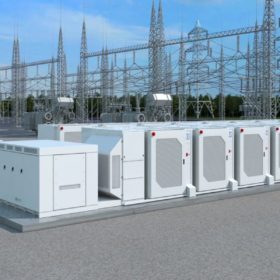
Irish ESB to add 100 MWh of Fluence storage to its portfolio
State-owned utility ESB is working with energy storage solution company Fluence and EPC service providers Powercomm Group and Kirby Group on its first battery projects in Ireland.

Hard carbon for a high energy sodium battery
Scientists in Japan demonstrated a hard-carbon electrode that can greatly increase the capacity of a sodium-ion battery. With further work on the long-term performance, the discovery could make sodium-ion batteries better able to compete on energy density with their lithium-ion counterparts.
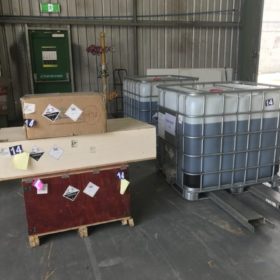
Australian Vanadium pushes ahead with plans for residential flow battery
Australian Vanadium is pushing ahead with plans to develop a vanadium redox flow battery for the Australian residential market, via its VSUN Energy subsidiary.
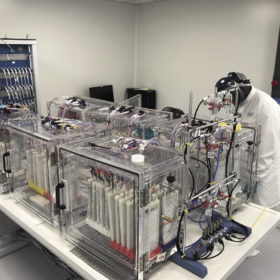
Sweden issues €5m call for battery studies
Researchers have just under four weeks to apply for backing for their projects, in areas including battery reuse and recycling, circular manufacturing and supercapacitors.
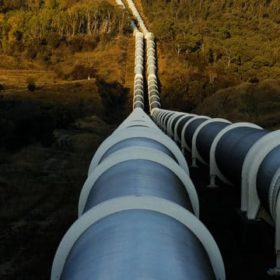
General Electric to build 400 MW pumped-hydro storage project in Australia
A proposed 400 MW pumped-hydro storage project is on track to become the first of its kind in more than three decades in Queensland, Australia. GE Renewable Energy is backing the plan.

Mini grids grant could drive 80 MW of new capacity in Africa
A new fund established by the African Development Bank could attract $650 million of private money into the sector, according to the lender.
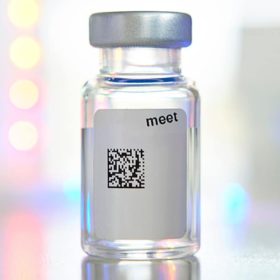
Zinc-air batteries with non-alkaline, aqueous electrolytes
New battery chemistry developed in Germany promises to make zinc-air batteries the storage technology of the future.
