
Solar rail and roads in the UK to get financial shot in the arm
The Department for Transport has announced funding for research projects which could help decarbonize Britain’s railways and generate power from roads and footpaths. Previously explored with limited success, it is hoped the research will push the frontiers of the field and give a fresh impetus to Britain’s ailing solar sector.
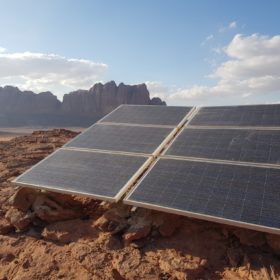
The weekend read: The untapped potential of the MENA region
The region’s climate, developing economies and demographic growth are driving increased electricity demand in the Middle East and North Africa. However, as a hub of conventional energy supply, the region has been slow to embrace PV. To capture more of the value chain and deliver the full potential of solar, there are increasing calls for distributed generation deployment to play a bigger role.
Mexico cancels fourth energy auction
After being “temporarily suspended” in early December, Mexico’s fourth long-term energy auction has been cancelled. The government said the action was taken in compliance with its legal framework and took into account technical, economic and energy planning considerations.

Ukraine to hold first auctions for wind and solar next year
According to provisions approved in their first reading by the Ukrainian parliament, solar projects selected in future auctions will be awarded 20-year PPAs to encourage investors to steadily abandon the FIT scheme until it expires in 2030.
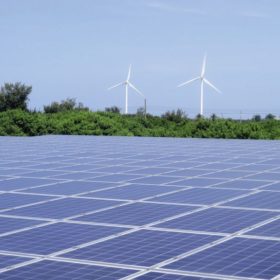
Taiwan’s URE inks 200-300 MW module supply MoU
United Renewable Energy was the result of a troublesome year for Taiwan’s solar manufacturing market. The company has signed a memorandum of understanding with Asia’s largest independent power producer – Vena Energy – for the supply of modules for projects in Taiwan’s strong development sector.
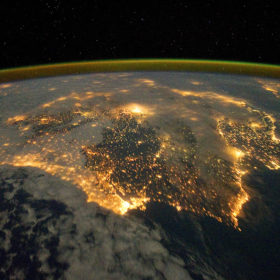
Spain unveils new provisions for self-consumption regulation
The Spanish government has proposed a Royal Decree with new self-consumption regulation which is expected to be approved in March or April. According to the new rules, power surpluses may be shared with other consumers or fed to the grid.
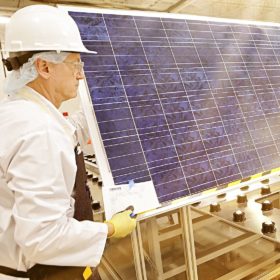
Bifacial 114 MW project in Brazil secures development bank financing
The plant, under development by Canadian Solar, has secured $80 million from Banco do Nordeste. The facility is scheduled to come online in mid-2020.
UK government offering little encouragement to the solar sector says the industry
A conference in London explored the next steps for renewables in the U.K. There was widespread agreement solar has been left in the cold by a government unwilling to alter the current market dynamics.
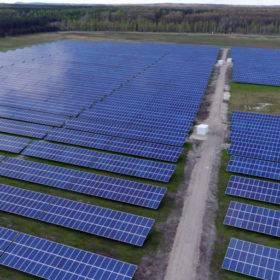
Germany installed almost 3 GW of solar in 2018
PV demand grew 68% year-on-year from the level seen in 2017 as Germany’s cumulative installed solar generation capacity reached 45.92 GW.

Bahrain launches 3 MW rooftop tender
The procurement covers 66 government buildings identified by the nation’s solar unit from a 120-building portfolio. Successful bidders will sign a PPA with the government, which is aiming at self-consumption with an element of net-metering.
