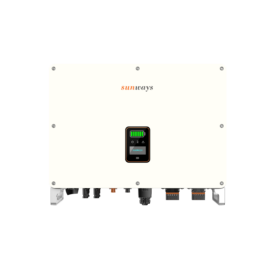
Sunways unveils hybrid inverters for rooftop applications
Sunways’ new three-phase hybrid inverters have efficiency ratings of up to 98.2% and European efficiency ratings of 97.4%. They are available in seven versions, with power outputs ranging from 15 kW to 33 kW.
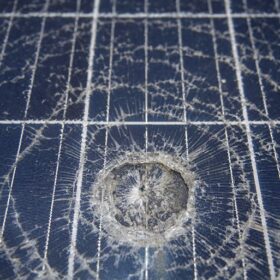
Weekend Read: Keeping Ukraine’s lights on
The first half of 2023 has seen a revival in Ukraine’s solar market as some plants resumed operations, including in recently liberated territories. Demand is also picking up among industrial consumers that wish to be less dependent on the common energy grid in case outages return, reports Ian Skarytovsky.
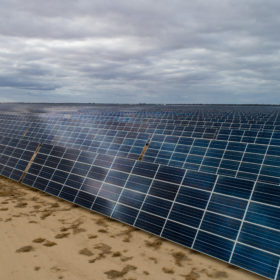
RWE secures PPAs for solar plants in Greece
Germany’s RWE and Greek state-owned utility PPC have signed power purchase agreements (PPAs) for three of five solar projects to be built in a former coal mining region in Greece. They will sell the electricity to local utility Heron.
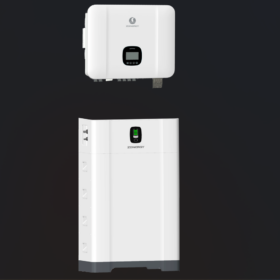
New residential battery inverter solution from China
Zonergy has developed a 2.5 kWh lithium iron phosphate (LFP) battery system featuring an inverter with an output ranging from 8 kW to 15 kW. It says four to 16 modules can be combined for between 10 kWh and 40 kWh of energy storage capacity.
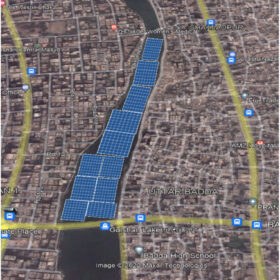
Floating solar may reach LCOE of $0.0341/kWh in Bangladesh
New research shows that floating PV plants may have superior generating capabilities compared with ground-mounted PV plants in several areas of Bangladesh. Furthermore, the study indicates that floating arrays in the country may reach a levelized cost of energy ranging from $0.0341/kWh to $0.0486/kWh depending on the location.
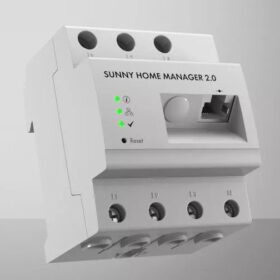
SMA, Samsung to integrate heat pumps with residential PV
Samsung and SMA are using a new cloud-to-cloud system that allows PV systems with SMA inverters to be integrated with Samsung heat pumps.
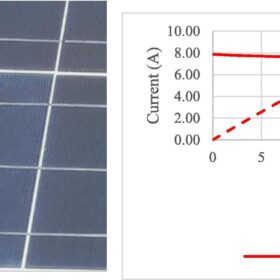
Research shows polycrystalline panels from 11 different producers degrade more than warranty rate
A research group in Ghana has conducted a series of tests to assess the performance of polycrystalline solar modules in PV systems operating in their home country for at least 5 years. They found that the vast majority of the panels may ‘fail’ before 20 years in operation under outdoor conditions.
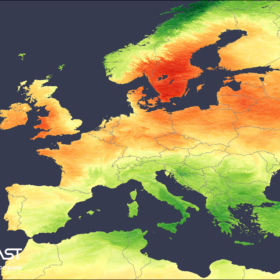
Northern Europe outshines the south during May
In a new weekly update for pv magazine, Solcast, a DNV company, presents the solar irradiance data it collected for Europe in May. Below-average cloud cover meant above normal irradiation for much of the UK, France, Germany, the Baltics and Scandinavia, with anomalies as high as 30% and 40% above climatological means. Solar assets across Northern Europe will have overperformed on expectations for May.

Unsubsidized solar installations rise by 68% in India in Q1
India added 518 MW of new open-access solar capacity in the January-March period, from 308 MW installed in the previous three months.
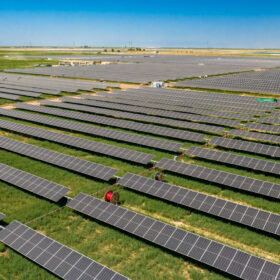
US solar market expected to triple in size by 2028
The US solar industry had its best first quarter in history as supply chain challenges started to fade, according to the US Solar Market Insight Q2 2023 report.
