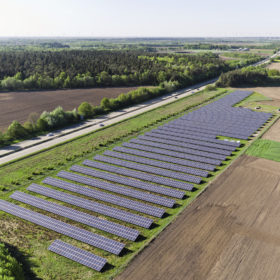
Easing of Covid lockdown helped German big solar in May
The nation added a year-high of almost 450 MW of new capacity during the month to take the five-month total for 2020 to 1,926 MW. The solar subsidy will fall another 1.4% from tomorrow.

Q Cells, Enphase launch AC module
The module manufacturer and micro-inverter supplier will connect their products in the factory to reduce installation costs, while providing a list of value propositions for micro-inverters.
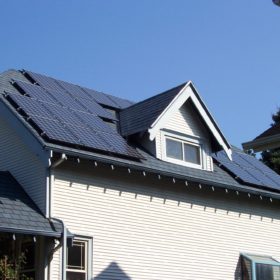
Efficient rooftop solar+storage without MPPT
A German research group is trying to determine whether the combination of solar and storage with direct coupling and without the aid of maximum power point tracking (MPPT) electronics is feasible. According to its findings, this particular configuration might be efficient, but it will likely require special panels and batteries.
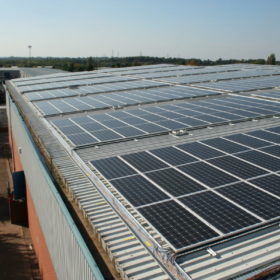
France expands limits of ‘energy communities’
The French energy regulator has expanded the maximum permitted distance between members of an energy community from 2 km to 20 km.
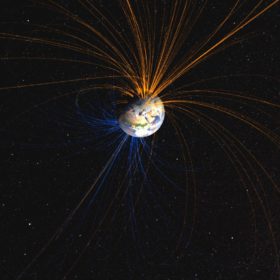
Shielding PV against Earth’s magnetic field
Researchers in Kenya are seeking to reduce the influence of the Geomagnetic field on PV panel performance by replacing aluminum module frames with a steel cage. They have specified they have been unable to quantify costs related to the solution, and that more research is needed.
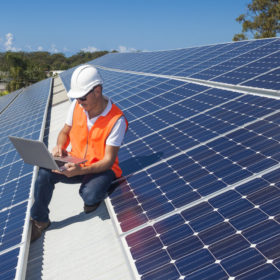
Significant decline in potentially unsafe PV systems in Australia
A very small number of PV systems installed on Australian rooftops are considered to be potentially unsafe, the nation’s Clean Energy Regulator says in a new report. It identifies water entering DC isolators as the greatest risk and the most common cause of PV system failures.

Interview: Financing Indian solar projects amid the Covid-19 crisis
Vaibhav Pratap Singh, senior analyst from South Asian thinktank the Council on Energy, Environment and Water, tells pv magazine about the impact of the coronavirus pandemic on the Indian solar sector, green finance and other investment prospects.
Covid-19 weekly round-up: Polish solar is immune to the effects of Covid-19 and the coronavirus will drive EV manufacturing from China to India, apparently
Plus, one Australian installer says residents who had installed solar and storage at home will be cushioned against thumping, coronavirus-related electricity bill rises this quarter and there are signs of recovery in overall energy consumption levels.
Poland preps remote solar investment
The government is said to be working on amending its renewable energy legislation to enable people without their own roofspace to benefit from the solar boom.

Austria doubles financial support for solar rebates
The government has ramped up its budget for the rebate scheme to €10 million.
