
Solar module efficiency could exceed 35% by 2050
A new Perspectives research study on the future of the global PV supply chain outlines how module prices, performance, and lifetimes could evolve over the next 25 years. The work reflects a collaboration among leading solar research institutions worldwide. One of the study’s authors, the director of the Fraunhofer Institute for Solar Energy Systems (ISE), told pv magazine that solar module and cell efficiencies could exceed 35% by 2050, with panel prices expected to drop by a factor of two.
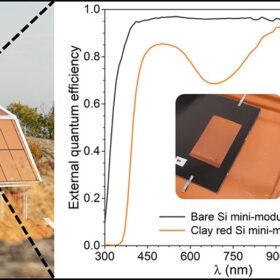
Danish researchers develop color-tunable BIPV foil
The use of a novel roll-to-roll process and optimization technology resulted in polymer foils for use in colored PV modules in a potentially wide range of colors with low iridescence and low levels of efficiency loss.

China to abolish solar export tax rebates in April
China will scrap value-added tax export rebates for PV products from April 1, 2026, while cutting battery rebates ahead of a full phaseout, raising export costs for manufacturers and potentially pulling shipments forward into early 2026.

How to avoid ‘long tail’ effects in large-scale PV plants
New UNSW research found that about 20% of solar modules in large PV plants degrade much faster than expected. They recommend holistic strategies such as robust materials, advanced designs, and proactive monitoring to decouple degradation pathways and prevent cascading failures.
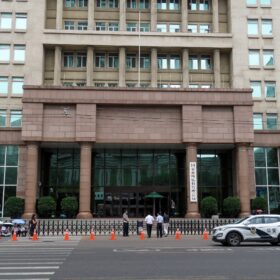
China’s competition regulator halts $7 billion plan to consolidate polysilicon industry
China’s antitrust regulator has halted an industry-led effort to reduce polysilicon capacity and coordinate pricing, ordering full rectification of actions that contributed to rising market prices. Futures fell sharply after the intervention.
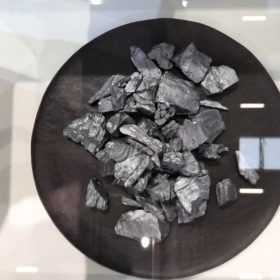
Chinese PV Industry Brief: Polysilicon prices jump over 9% as China supply tightens
Polysilicon prices in China rose sharply this week as reduced output, higher costs, and strong downstream demand pushed transactions above CNY 60,000 ($8,590) per metric ton (MT). Module prices, however, remained stable, supported by firm procurement and tight wafer supply.
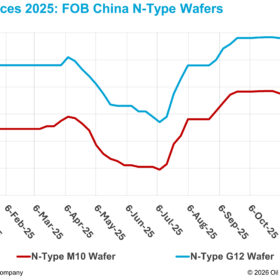
N-type wafer prices rise over 10% as silver-driven cell costs increase
In a new weekly update for pv magazine, OPIS, a Dow Jones company, provides a quick look at the main price trends in the global PV industry.

Spanish startup develops BIPV systems for tunnel exits, entrances
Spain-based Izpitek has developed an 86 kW building-integrated photovoltaics (BIPV) installation for tunnel entrances and exits that supplies power for lighting, demonstrating how solar energy can be adapted to complex architectural environments.

China’s Hefei BOE Solar Technology claims 27.37% efficiency for perovskite solar cell
The Chinese perovskite solar technology developer said the result is currently under testing by an unspecified third-party authoritative laboratory in China. The achievement is part of the company’s efforts to bring its perovskite cell technology closer to commercial production.

JinkoSolar pushes on perovskite-silicon tandem solar with new partnership
JinkoSolar has signed a strategic cooperation agreement with XtalPi, an “AI for Science” platform company, to pursue high-throughput R&D on perovskite-crystalline-silicon tandem solar cells using an AI platform and quantum-physics-based models.
