Markets & Policy

In highly regulated energy markets, policy decisions can make or break new technologies, strategies, and even entire industries.
Support from policymakers, in the form of procurement exercises, priority dispatch, tax incentives and a wealth of other instruments, has been vital to the global solar industry’s success, and new mechanisms to support growth in energy storage are an increasingly important part of the story today.
Latest News
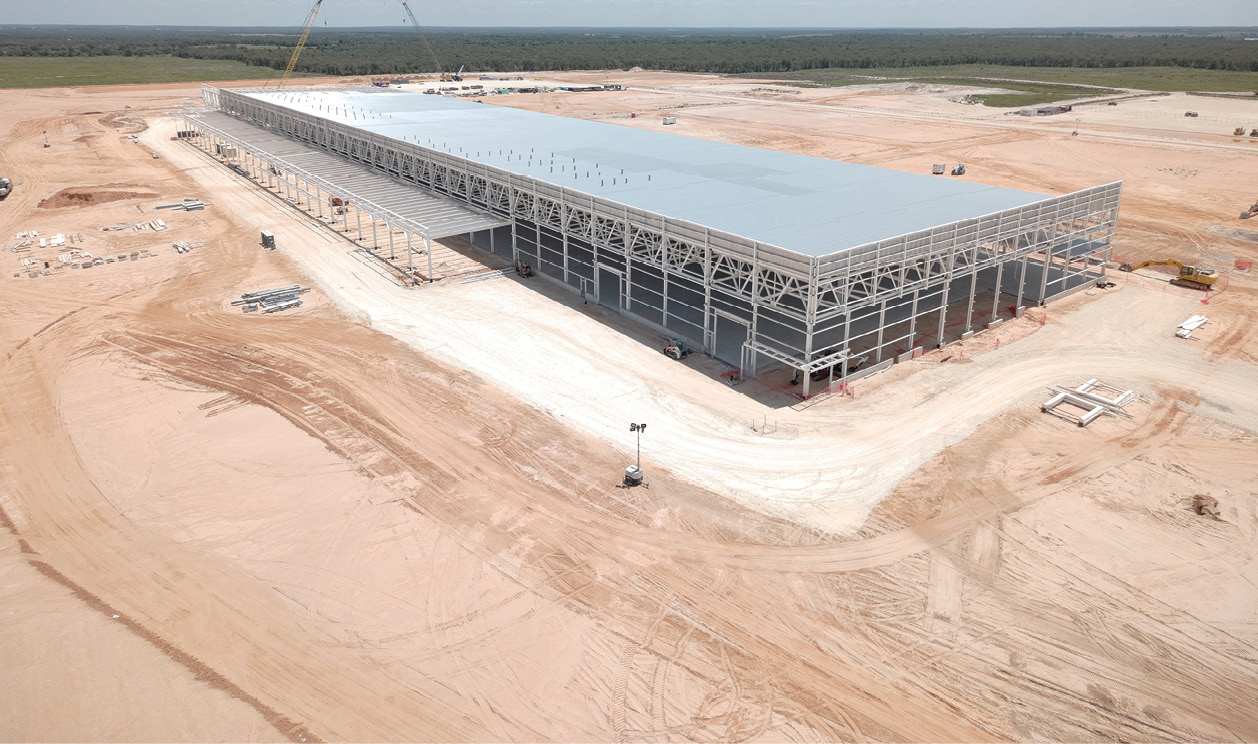
Everything’s bigger in Texas
By almost any measure, the story of solar power in Texas has been one of astounding success. The state is by far the country’s fastest-growing solar market. The Solar Energy Industries Association (SEIA) records nearly 54 GW of solar and more than 29 GWh of batteries have been installed, while Texas is also growing into a vital hub for the US solar manufacturing industry, as Ben Zientara reports.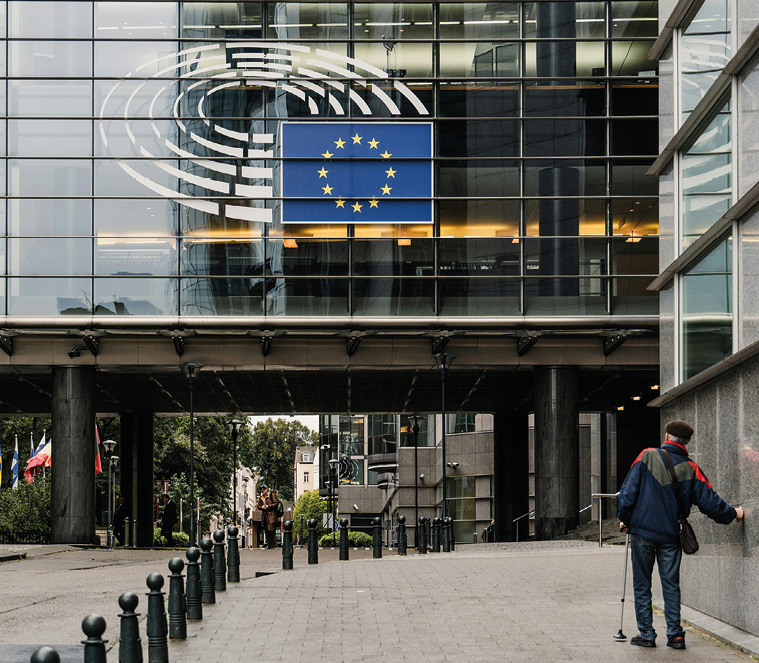
EU expert group urges curbs on high-risk solar suppliers
Cybersecurity experts advising the European Commission say PV components and software from high-risk third-country suppliers should be restricted in all market segments, including plug-in systems, and that inverters should face third-party certification under the Cyber Resilience Act.

Global PV oversupply accelerates consolidation, regional price divergence
pv magazine spoke with Edurne Zoco, Head of Technologies and Supply Chains at S&P Global Energy, about global PV supply chain trends, persistent overcapacity and the impact of China’s new efficiency standards on solar manufacturing. She discussed module pricing, shifting trade policies and emerging risks and opportunities in the inverter and battery storage markets.

Bangladesh approves 442 MW solar project with eight-hour battery storage
Bangladesh has approved a 442 MW grid-connected solar project with eight hours of battery storage at the site of a planned expansion of the Rampal coal-fired power station. The Bangladesh Power Development Board will invest BDT 25 billion ($200 million) in the project.

Researchers from Modat, an internet intelligence company based in The Hague, and the National Cyber Security Centre (NCSC-NL) of the Netherlands have found 8,547 internet-facing systems at European solar projects and wind farms that should not be reachable from the internet, including exposed admin interfaces and control panels. The researchers mapped operating solar parks and …