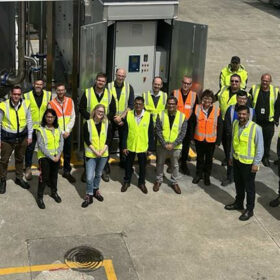
Fonterra reveals high-temperature industrial heat pump
Fonterra, a New Zealand-based dairy producer, has started operating a new heat pump in combination with a solar thermal facility. The hybrid project transforms excess heat from chillers and compressors into a heat source for industrial use.
Whale algorithm to integrate rooftop solar with air source heat pumps
Researchers in China have developed an optimized version of the whale optimization algorithm that reportedly indentifies the optimal area ratio of rooftop PV systems and solar collectors used in combination with air source heat pumps. They demonstrated that the installation area of photovoltaic modules and collectors affects both the power side and the thermal side.
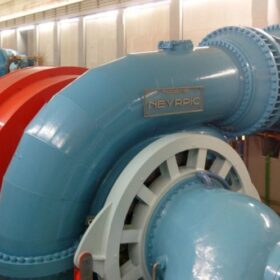
JSW Energy to set up 1 GW pumped storage project in India
JSW Energy says it will expand its renewables footprint in the Indian state of Tamil Nadu with an investment of $1.44 billion, including 1 GW of pumped storage and 1 GW of wind power.
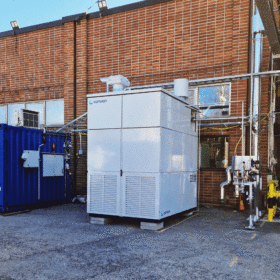
The Hydrogen Stream: Consortium unveils 85%-efficient solid oxide electrolyzer
Elcogen and Convion have revealed test results for their new solid oxide electrolyzer, with an electrical efficiency above 85%. It could potentially facilitate the production of 39 kWh of electrical energy per kilogram of green hydrogen.
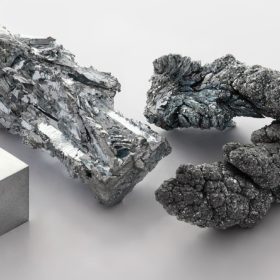
Australian researchers reveal ‘scalable’ aqueous rechargeable zinc batteries
Researchers from the University of New South Wales (UNSW) claim to have developed a technology that overcomes the recharging capabilities associated with aqueous zinc battery technology, potentially redefining energy storage for homes and grids.
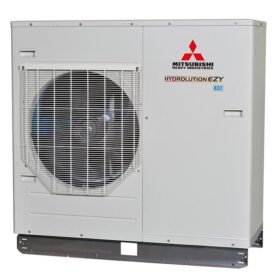
Mitsubishi debuts residential air-to-water heat pumps
Mitsubishi’s monobloc Hydrolution EZY can reportedly produce domestic hot water up to 60 C when outdoor temperatures reach -25 C. It is available in two versions, with outputs of 10 kW and 14 kW.
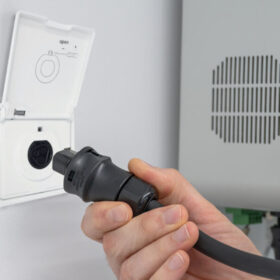
SAX Power unveils all-in-one battery inverter for home use
German manufacturer SAX Power says the capacity of its new all-in-one battery inverter solution ranges from 5.76 kWh to 17.28 kWh. It is suitable for new PV systems, as well as retrofit projects.
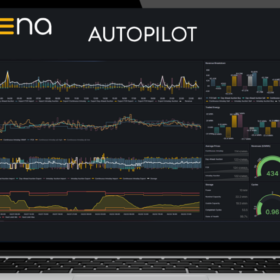
German startup Suena secures cash for its battery energy trading technolgy business
The Hamburg-based battery energy trading software and services company has raised €3 million ($3.27 million) seed funding to expand its software-driven trading services across Europe. The capital will be used to introduce its software, dubbed Autopilot, and its trading services to new European markets.
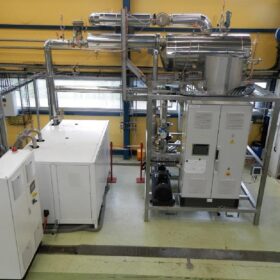
Renewables-powered high temperature heat pumps are cheapest option for industrial steam
New research from Austria has compared different industrial heat-generating techniques and has found that wind or solar-powered heat pumps are the cheapest and most environment-friendly solution.
US battery storage demand to surge within this decade, says SEIA
US demand for battery energy storage systems will grow sixfold by 2030, according to a recent report by the Solar Energy Industries Association (SEIA), but only with serious investment, coordination with experienced manufacturers, and collaboration with allies.
