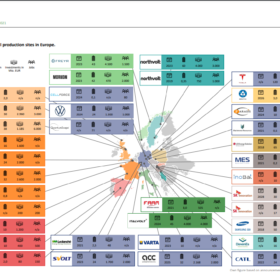
Europe’s gigafactory boom in full swing with another plant announcement
The list of planned gigawatt-scale battery cell manufacturing plants in Europe has grown, with Anglo-Korean battery maker Eurocell announcing plans for a gigafab in Western Europe to start manufacturing at scale within 12 months.
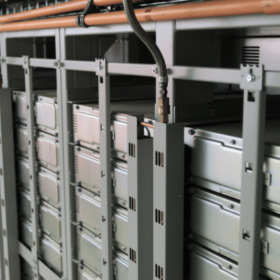
World’s largest lithium ion battery is down, again
The Moss Landing Energy Storage Facility Phase II in the United States set off fire alarms that activated a fault water suppression system, triggering a cascading set of events that resulted in roughly 10 battery packs melting down.
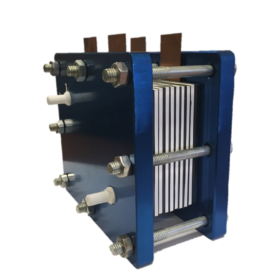
Viologen redox flow battery for renewables storage
Conceived for the storage of residential and large scale renewable energy, the device has a rated power of over 150mW/cm2, an energy density exceeding 40Wh/L, and a power density of 72.5mW/cm2. The battery was built with an anode made of inexpensive viologen and its cost, according to its creators, may be lower than $100/kWh.

Australian lithium-ion battery blaze sparks safety concerns
A weekend fire caused by a lithium-ion home battery system in Adelaide, Australia, has prompted the authorities to urge solar and battery owners to be vigilant about system maintenance.
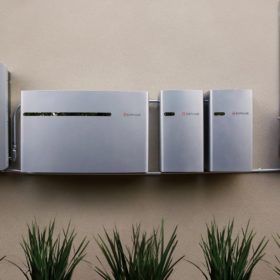
Enphase batteries to be used in US virtual power plants
Microinverter provider Enphase has signed a deal with Swell Energy to participate in distributed virtual power plants in California, New York and Hawaii.
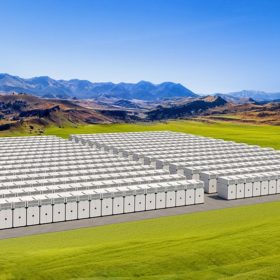
Powin to supply 5.8GWh of batteries for projects in US and Taiwan
The U.S. battery specialist has signed framework agreements with four developers to deliver systems for multiple projects.
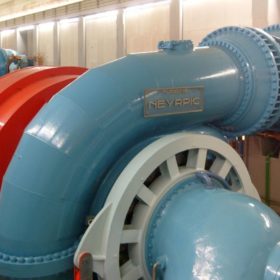
Ayana, Greenko partner on 6GWh of pumped-hydro storage
Greenko Group has agreed to provide Ayana with 6GWh of pumped-hydro storage capacity from its project in the Indian state of Andhra Pradesh.
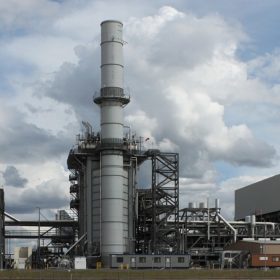
Polish gas plans could leave taxpayers needing to find billions
With the Polish government planning to commission five gas power plants over the next five years, London-based thinktank Carbon Tracker has estimated just how costly the move will be, compared to deploying solar plants and energy storage instead.
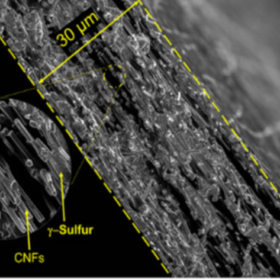
A 4,000 cycle lithium-sulfur battery
Scientists in the United States developed a lithium-sulfur battery using a commercially available carbonate electrolyte, that retained more than 80% of its initial capacity after 4000 cycles. The group used a vapor deposition process which unexpectedly produced a form of sulfur that did not react with the electrolyte, overcoming one of the key challenges for this battery chemistry.
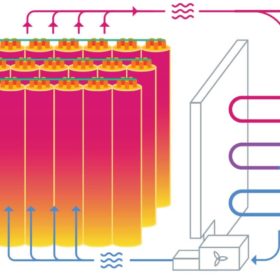
Renewable energy heat batteries for industrial applications
Startup Rondo Energy closed a $22 million Series A funding round to decarbonize industrial processes with equipment that converts solar and wind energy into thermal energy.
