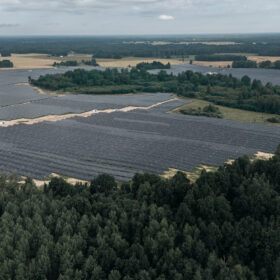
Latvia switches on 94 MW of solar
Ignitis Renewables has started commercial operations at the 94 MW Vārme solar farm in western Latvia. The project is one of the country’s largest PV installations to date.
US states push reliability standards and utility incentives for EVs
NC Clean Energy Technology Center (NCCETC) identifies the latest electric vehicle policy trends in its “50 States of Electric Vehicles” quarterly report.

Norway deploys 49 MW of solar in H1
Norway’s solar deployment rate slowed in the first half of 2025 compared to the previous two years, as the government introduced new regulations targeting medium-sized commercial systems.
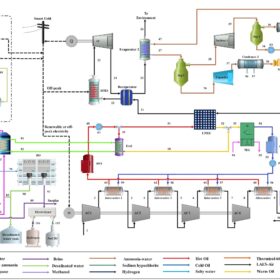
PV-powered liquid air system yields hydrogen, heating, fresh water
A global scientific team has designed a novel multigeneration system based on renewable energy and liquid air energy storage, then used soft computing techniques to optimize its operation. The optimized levelized costs of hydrogen (LCoH) were $1.52/kg and $5.22/m³.
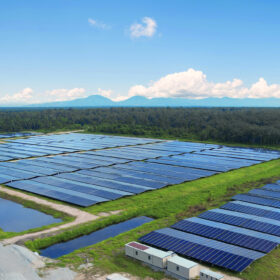
Solar primed for expansion in Malaysia
State support is nothing new for solar in Malaysia, but following years of steady growth, things are ramping up. Following a big tender announcement and a slew of new support mechanisms, industry leaders and market analysts tell pv magazine how blending private sector investment with government backing can bring Malaysian PV to the next level.

System-level failures – the next frontier for safer battery storage
A recent Clean Energy Associates (CEA) webinar walked through why quality assurance must include integration, supplier oversight and on-site training to reduce system-level risks.

Portugal to hold energy storage auction before January 2026
Portugal plans to hold an energy storage auction before January 2026 as part of a €400 million ($462.2 million) initiative to enhance grid resilience following an April blackout.
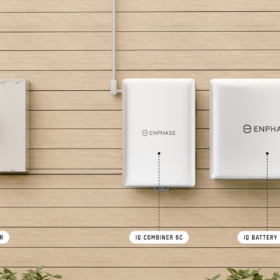
Enphase launches fourth-gen energy system with new 7.08 kW battery
Enphase Energy has introduced its fourth-generation energy system with the new 7.08 kW IQ Battery 10C, which offers 10 kWh of usable energy. The battery expands the company’s storage portfolio and is made with US components by a contract manufacturer.
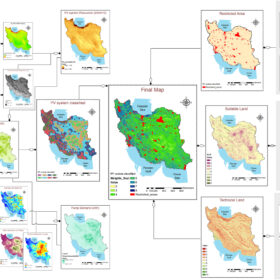
Map shows 43% of Iran’s land unsuitable for PV-powered water pumps
Scientists used geographic information systems and analytical hierarchy process methods to identify Iran’s most suitable areas for PV water pumping systems. They found 43.2% of land unsuitable, with Ardabil province the most favorable.
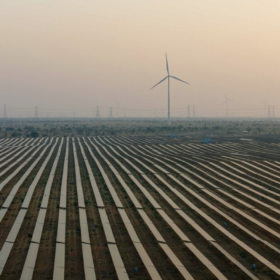
India could cut power costs to $50/MWh with solar-wind system by 2050
India could cut electricity costs to about $50/MWh by 2050 by transitioning to a fully wind- and solar-powered system with primarily day-night balancing, according to new modeling that includes generation, grid, and balancing costs – well below current fossil-based wholesale prices.
