Solar, wind and storage: stable prices, stable grid
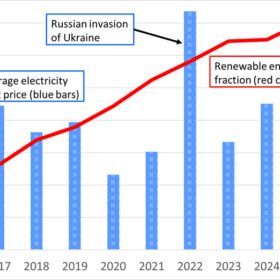
In its latest monthly column for pv magazine, the International Solar Energy Society (ISES) explains how Australia’s rapid expansion of solar and wind energy has not increased wholesale electricity prices, which have remained stable since 2016. Rooftop solar, now widespread and highly cost-effective, provides the country with resilient, low-emission power, making all-electric homes increasingly independent from the grid.
China’s first polysilicon consolidation steps unlikely to move prices in Q1
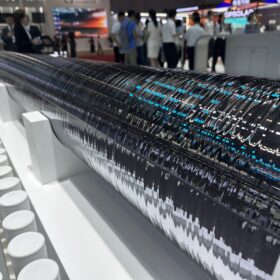
China’s largest polysilicon producers have launched initial steps toward consolidation to curb overcapacity, but OPIS analyst Summer Zhang tells pv magazine that unresolved funding, capacity cuts and governance issues mean prices are likely to see only modest support in the near term without sustained capital injections and stronger downstream demand.
SPIE signs Tesla framework deal for European battery storage projects
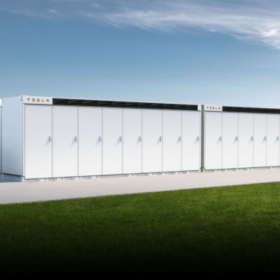
France-based SPIE has signed a three-year framework agreement with Tesla to deploy Megapack technology across European battery energy storage projects, including a 1.4 GWh facility in the Netherlands.
India passes 132.8 GW of installed solar capacity
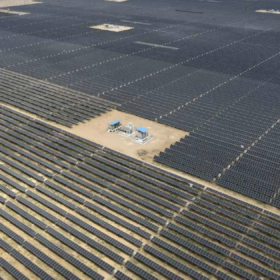
India’s installed solar capacity reached 132.85 GW at the end of November 2025, led by utility-scale projects in Rajasthan, Gujarat and Maharashtra, according to the central government.
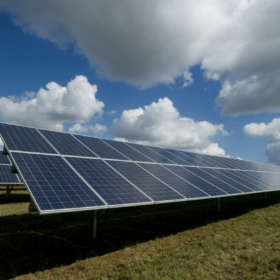
US researchers use machine learning to detect hidden solar array defects
US researchers say a self-supervised machine-learning tool can identify long-term physical defects in solar assets weeks or years before conventional inspections, potentially reducing operations and maintenance costs.
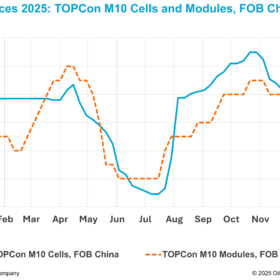
China TOPCon cell prices dip despite looming cost pressures
In a new weekly update for pv magazine, OPIS, a Dow Jones company, provides a quick look at the main price trends in the global PV industry.
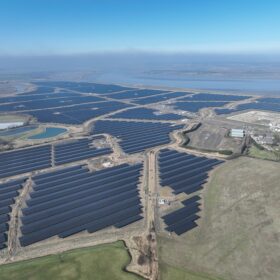
UK added at least 2.5 GW solar in 2025, revised data reveals
Provisional capacity data updated with 1.5 GW of solar added to total deployment figure. New capacity additions include largest solar plant to date and a record year for rooftop installations.
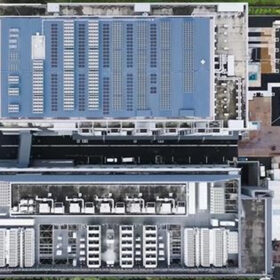
Canon testing solar at Japanese data center
Canon IT Solutions has begun testing a solar PV system to power its Tier 4 data center in Nishitokyo, aiming to boost renewable energy use and reduce costs. The system is expected to generate around 69 MWh annually and enhance power resilience during emergencies.
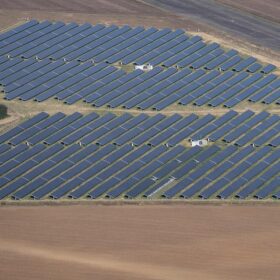
Greek solar producers petition EU over repowering and storage rules
Two complaints to the European Commission allege Greek repowering policies and high performance bonds for battery storage projects block upgrades, raise costs, and hinder energy transition, according to industry association Pospief.

European solar manufacturers urge Italy to revise heterojunction tax rule
Eleven European solar module makers say Italy’s 2026 tax incentive unfairly favors heterojunction (HJT) technology, risks higher costs and limits competition across the PV market.
